01
下午,我回到家,见一。
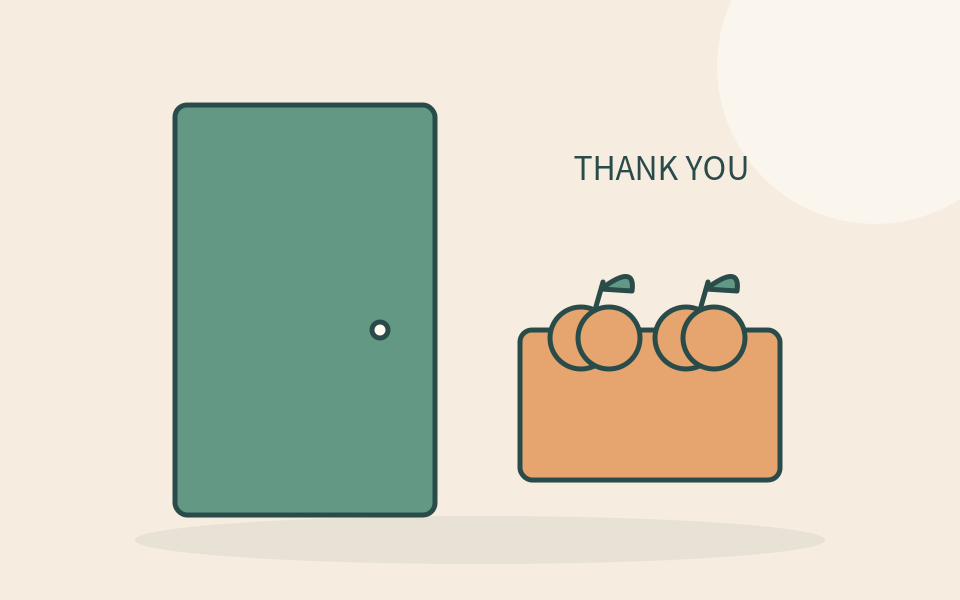
下午,我回到家,见一。
我问妈妈:“这是你买的吗?”
妈妈说:“不是,我今天没。”
我给爸爸,他也说不是。
我想:“会不会是了?”
这时候,住在我们的王先生回来了。
他问:“你们见了吗?”
我着:“是的吧?”
他说:“是给你们的。昨天你妈妈我了两个的。”
妈妈说:“谢谢,进来坐吧。”
我们了,吃。
apple
beside
hour
to help (short form of 帮助) (supplemental word / expression)
kàn: to look; to see (s01, s07); kān: to look after a child (s09)
entrance; doorway (supplemental word / expression)
bag; measure word for bags (supplemental word / expression)
to be placed somewhere (continuing state) (supplemental word / expression)
to point to (supplemental word / expression)
to walk out (supplemental word / expression)
to make a phone call
我给爸爸打电话,他也说不是。
wǒ gěi bà ba dǎ diàn huà, tā yě shuō bú shì.
I call my father. He says they aren't his either.
a place
我想:“会不会是放错地方了?”
wǒ xiǎng: "huì bú huì shì fàng cuò dì fang le? "
I wonder, “Could someone have put them in the wrong place?”
a child; children
他说:“是给你们的。昨天你妈妈帮我看了两个小时的孩子。”
tā shuō: "shì gěi nǐ men de. zuó tiān nǐ mā ma bāng wǒ kān le liǎng gè xiǎo shí de hái zi. "
He says, “They're for you. Your mother looked after my child for two hours yesterday.”
together
我们洗了苹果,一起吃。
wǒ men xǐ le píng guǒ, yì qǐ chī.
We wash the apples and eat them together.
to leave home
妈妈说:“不是,我今天没出门。”
mā ma shuō: "bú shì, wǒ jīn tiān méi chū mén. "
My mother says, “No. I haven't been out today.”
to put something in the wrong place
我想:“会不会是放错地方了?”
wǒ xiǎng: "huì bú huì shì fàng cuò dì fang le? "
I wonder, “Could someone have put them in the wrong place?”
to come out
妈妈走出来说:“谢谢,进来坐一会儿吧。”
mā ma zǒu chū lái shuō: "xiè xiè, jìn lái zuò yí huì er ba. "
My mother comes out and says, “Thank you. Come in and sit for a while.”
a little while
妈妈走出来说:“谢谢,进来坐一会儿吧。”
mā ma zǒu chū lái shuō: "xiè xiè, jìn lái zuò yí huì er ba. "
My mother comes out and says, “Thank you. Come in and sit for a while.”
to wash
我们洗了苹果,一起吃。
wǒ men xǐ le píng guǒ, yì qǐ chī.
We wash the apples and eat them together.
you
我指着门口:“是您的吧?”
wǒ zhǐ zhe mén kǒu: "shì nín de ba? "
I point to the door. “They're yours, aren't they?”
着 can show a continuing state, such as wearing clothes or an object being placed somewhere. It is not simply a marker for every ongoing action.
“着”可说明持续状态,例如穿着衣服、东西放着;不是所有正在进行的动作都用“着”。
她穿着白色的衣服。She is wearing white clothes.
门口放着苹果。There are apples placed by the door.
A duration can describe how long an action lasts. With an object, Chinese may repeat the verb or place the duration before the object, depending on the sentence.
时长说明动作持续多久。有宾语时,可以重复动词,也可根据句子把时长放在宾语前。
妈妈帮他看了两个小时的孩子。My mother looked after his child for two hours.
我跑步跑了三十分钟。I ran for thirty minutes.
Turn both off to practice with Chinese only.
Answers and explanations appear after you submit.