01
我的书明天就要了,今天晚上想去。
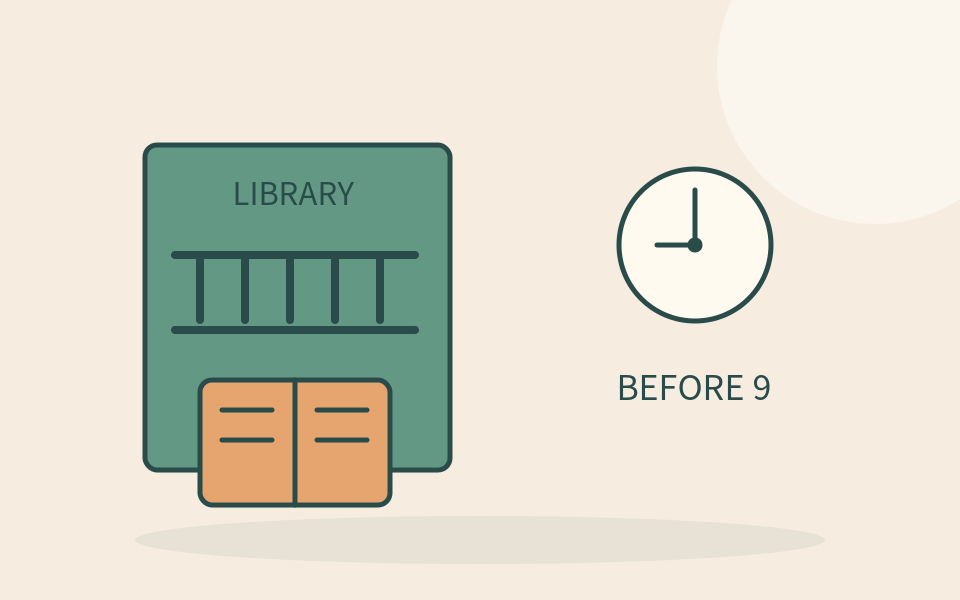
我的书明天就要了,今天晚上想去。
我了时间,九点。
小明问:“你现在就去吗?”
我说:“再走吧,十分钟。”
可是以后,我才把书在上了。
回家拿书的时候,又找了几分钟。
我到时,八点五十五分了。
书了,可是我想找的另一本书没有时间看了。
回家的,小明给我打电话:“都办好了吗?”
我说:“只办好了。下次我早点去。”
第二次去的时候,我把书包里,八点就到了。
有时间找书,我,九点到,有时间做完。
to borrow
我借的书明天就要还了,今天晚上想去图书馆。
wǒ jiè de shū míng tiān jiù yào huán le, jīn tiān wǎn shàng xiǎng qù tú shū guǎn.
The book I borrowed was due back tomorrow, so I wanted to go to the library tonight.
to return a borrowed item
我借的书明天就要还了,今天晚上想去图书馆。
wǒ jiè de shū míng tiān jiù yào huán le, jīn tiān wǎn shàng xiǎng qù tú shū guǎn.
The book I borrowed was due back tomorrow, so I wanted to go to the library tonight.
library
我借的书明天就要还了,今天晚上想去图书馆。
wǒ jiè de shū míng tiān jiù yào huán le, jīn tiān wǎn shàng xiǎng qù tú shū guǎn.
The book I borrowed was due back tomorrow, so I wanted to go to the library tonight.
to check; to look up (supplemental word)
我查了时间,图书馆九点关门。
wǒ chá le shí jiān, tú shū guǎn jiǔ diǎn guān mén.
I checked the opening hours. It closed at nine.
to close (a business or building)
我查了时间,图书馆九点关门。
wǒ chá le shí jiān, tú shū guǎn jiǔ diǎn guān mén.
I checked the opening hours. It closed at nine.
half past eight
我说:“八点半再走吧,路上只要十分钟。”
wǒ shuō: "bā diǎn bàn zài zǒu ba, lù shang zhǐ yào shí fēn zhōng. "
I said, “I'll leave at half past eight. It's only a ten-minute trip.”
on the way
我说:“八点半再走吧,路上只要十分钟。”
wǒ shuō: "bā diǎn bàn zài zǒu ba, lù shang zhǐ yào shí fēn zhōng. "
I said, “I'll leave at half past eight. It's only a ten-minute trip.”
to take only; to need only (time, in this sentence; not the conditional “as long as”)
我说:“八点半再走吧,路上只要十分钟。”
wǒ shuō: "bā diǎn bàn zài zǒu ba, lù shang zhǐ yào shí fēn zhōng. "
I said, “I'll leave at half past eight. It's only a ten-minute trip.”
to leave home (supplemental word / expression)
可是出门以后,我才发现把书留在桌子上了。
kě shì chū mén yǐ hòu, wǒ cái fā xiàn bǎ shū liú zài zhuō zi shàng le.
But after leaving, I realised I'd left the book on the table.
to discover; to notice
可是出门以后,我才发现把书留在桌子上了。
kě shì chū mén yǐ hòu, wǒ cái fā xiàn bǎ shū liú zài zhuō zi shàng le.
But after leaving, I realised I'd left the book on the table.
to leave; to allow (time)
可是出门以后,我才发现把书留在桌子上了。
kě shì chū mén yǐ hòu, wǒ cái fā xiàn bǎ shū liú zài zhuō zi shàng le.
But after leaving, I realised I'd left the book on the table.
table; desk
可是出门以后,我才发现把书留在桌子上了。
kě shì chū mén yǐ hòu, wǒ cái fā xiàn bǎ shū liú zài zhuō zi shàng le.
But after leaving, I realised I'd left the book on the table.
key (supplemental word)
回家拿书的时候,又找了几分钟钥匙。
huí jiā ná shū de shí hou, yòu zhǎo le jǐ fēn zhōng yào shi.
When I returned for it, I spent several more minutes looking for my keys.
already
我到图书馆时,已经八点五十五分了。
wǒ dào tú shū guǎn shí, yǐ jīng bā diǎn wǔ shí wǔ fēn le.
By the time I reached the library, it was five to nine.
half
我说:“只办好了一半。下次我得早点去。”
wǒ shuō: "zhǐ bàn hǎo le yí bàn. xià cì wǒ děi zǎo diǎn qù. "
I said, “Only half. Next time I need to go earlier.”
must; need to (děi in this story; supplemental use)
我说:“只办好了一半。下次我得早点去。”
wǒ shuō: "zhǐ bàn hǎo le yí bàn. xià cì wǒ děi zǎo diǎn qù. "
I said, “Only half. Next time I need to go earlier.”
in advance; ahead of time (supplemental word)
第二次去的时候,我提前把书放进包里,八点就到了。
dì èr cì qù de shí hou, wǒ tí qián bǎ shū fàng jìn bāo lǐ, bā diǎn jiù dào le.
The next time, I put the book in my bag in advance and arrived at eight.
to put inside (supplemental expression)
第二次去的时候,我提前把书放进包里,八点就到了。
dì èr cì qù de shí hou, wǒ tí qián bǎ shū fàng jìn bāo lǐ, bā diǎn jiù dào le.
The next time, I put the book in my bag in advance and arrived at eight.
finally (after waiting or effort)
有时间慢慢找书,我终于明白,九点以前到,不等于有时间做完所有事。
yǒu shí jiān màn màn zhǎo shū, wǒ zhōng yú míng bái, jiǔ diǎn yǐ qián dào, bù děng yú yǒu shí jiān zuò wán suǒ yǒu shì.
With time to browse, I finally understood that arriving before nine wasn't the same as having time to finish everything.
to understand; to be clear (supplemental word / expression)
有时间慢慢找书,我终于明白,九点以前到,不等于有时间做完所有事。
yǒu shí jiān màn màn zhǎo shū, wǒ zhōng yú míng bái, jiǔ diǎn yǐ qián dào, bù děng yú yǒu shí jiān zuò wán suǒ yǒu shì.
With time to browse, I finally understood that arriving before nine wasn't the same as having time to finish everything.
before; previously (supplemental word / expression)
有时间慢慢找书,我终于明白,九点以前到,不等于有时间做完所有事。
yǒu shí jiān màn màn zhǎo shū, wǒ zhōng yú míng bái, jiǔ diǎn yǐ qián dào, bù děng yú yǒu shí jiān zuò wán suǒ yǒu shì.
With time to browse, I finally understood that arriving before nine wasn't the same as having time to finish everything.
is not the same as; does not equal (supplemental expression)
有时间慢慢找书,我终于明白,九点以前到,不等于有时间做完所有事。
yǒu shí jiān màn màn zhǎo shū, wǒ zhōng yú míng bái, jiǔ diǎn yǐ qián dào, bù děng yú yǒu shí jiān zuò wán suǒ yǒu shì.
With time to browse, I finally understood that arriving before nine wasn't the same as having time to finish everything.
everything; all the tasks (supplemental expression)
有时间慢慢找书,我终于明白,九点以前到,不等于有时间做完所有事。
yǒu shí jiān màn màn zhǎo shū, wǒ zhōng yú míng bái, jiǔ diǎn yǐ qián dào, bù děng yú yǒu shí jiān zuò wán suǒ yǒu shì.
With time to browse, I finally understood that arriving before nine wasn't the same as having time to finish everything.
slowly; without rushing
有时间慢慢找书,我终于明白,九点以前到,不等于有时间做完所有事。
yǒu shí jiān màn màn zhǎo shū, wǒ zhōng yú míng bái, jiǔ diǎn yǐ qián dào, bù děng yú yǒu shí jiān zuò wán suǒ yǒu shì.
With time to browse, I finally understood that arriving before nine wasn't the same as having time to finish everything.
得 is pronounced děi here and means must or need to. It is different from neutral-tone de in 读得对.
这里“得”读 děi,表示需要或必须,不是“读得对”里的 de。
下次我得早点去。Next time I need to go earlier.
我得先把书放进包里。I need to put the book in my bag first.
Put 以前 after a time or event to mean before it. 九点以前 means before nine; 出门以前 means before leaving.
“以前”放在时间或事件后面,表示在那之前。
我想在九点以前到。I want to arrive before nine.
出门以前,我先准备好书。Before leaving, I get the book ready.
Turn both off to practice with Chinese only.
Answers and explanations appear after you submit.