01
下个星期是爸爸的,我和想给他买。
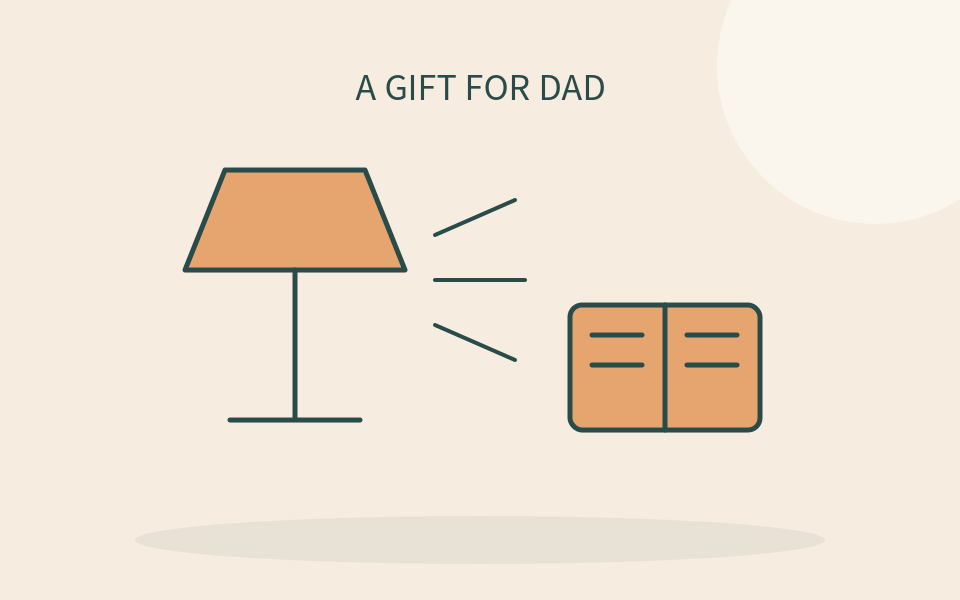
下个星期是爸爸的,我和想给他买。
说:“买件吧。”
我说:“他有很多了。”
我想买一个新,可是太。
问:“爸爸做什么?”
我说:“每天,可是他说里。”
我们去商店买了一。
那天,爸爸,书看了看:“这个很好!”
问:“你吗?”
爸爸说:“。,就不用坐在里了。”
那天,他在里看了。
birthday
older sister
already
expensive
to like
room
lamp; light (supplemental word / expression)
measure word for lamps (supplemental word / expression)
bright (supplemental word / expression)
not enough (supplemental word / expression)
recently; these days (supplemental word / expression)
continuously; all along (supplemental word / expression)
clothing
姐姐说:“买件衣服吧。”
jiě jie shuō: "mǎi jiàn yī fu ba. "
My sister says, “Let's buy some clothes.”
to read a book
我说:“每天晚上看书,可是他说房间里不够亮。”
wǒ shuō: "měi tiān wǎn shàng kàn shū, kě shì tā shuō fáng jiān lǐ bú gòu liàng. "
I say, “Reading every evening, but he says his room isn't bright enough.”
to open; to turn on
生日那天,爸爸打开灯,拿出书看了看:“这个很好!”
shēng rì nà tiān, bà ba dǎ kāi dēng, ná chū shū kàn le kàn: "zhè ge hěn hǎo! "
On his birthday, my father turns on the lamp, takes out a book and looks at it. “This is great!”
to take out
生日那天,爸爸打开灯,拿出书看了看:“这个很好!”
shēng rì nà tiān, bà ba dǎ kāi dēng, ná chū shū kàn le kàn: "zhè ge hěn hǎo! "
On his birthday, my father turns on the lamp, takes out a book and looks at it. “This is great!”
after; later; in the future
爸爸说:“喜欢。以后看书,就不用一直坐在客厅里了。”
bà ba shuō: "xǐ huan. yǐ hòu kàn shū, jiù bú yòng yì zhí zuò zài kè tīng lǐ le. "
My father says, “Yes. Now I won't always have to sit in the living room to read.”
living room
爸爸说:“喜欢。以后看书,就不用一直坐在客厅里了。”
bà ba shuō: "xǐ huan. yǐ hòu kàn shū, jiù bú yòng yì zhí zuò zài kè tīng lǐ le. "
My father says, “Yes. Now I won't always have to sit in the living room to read.”
a long time
那天晚上,他在房间里看了很久。
nà tiān wǎn shàng, tā zài fáng jiān lǐ kàn le hěn jiǔ.
That evening, he reads in his room for a long time.
things; belongings
下个星期是爸爸的生日,我和姐姐想给他买东西。
xià gè xīng qī shì bà ba de shēng rì, wǒ hé jiě jie xiǎng gěi tā mǎi dōng xī.
My father's birthday is next week. My older sister and I want to buy him something.
mobile phone; cell phone
我想买一个新手机,可是太贵。
wǒ xiǎng mǎi yí gè xīn shǒu jī, kě shì tài guì.
I want to buy a new phone, but it's too expensive.
evening; at night
我说:“每天晚上看书,可是他说房间里不够亮。”
wǒ shuō: "měi tiān wǎn shàng kàn shū, kě shì tā shuō fáng jiān lǐ bú gòu liàng. "
I say, “Reading every evening, but he says his room isn't bright enough.”
已经 emphasizes that something has already happened. The exact ending depends on the verb and context.
“已经”强调事情已发生,句尾形式根据具体动作和语境变化。
我已经吃饭了。I have already eaten.
她已经回家了。She has already gone home.
不用 says an action is not necessary. It is different from 不会, which says someone does not know how.
“不用”表示没有必要做;“不会”表示不具备某项技能。
今天不用上班。There is no need to work today.
你不用等我。You do not need to wait for me.
Turn both off to practice with Chinese only.
Answers and explanations appear after you submit.