01
,我和去。
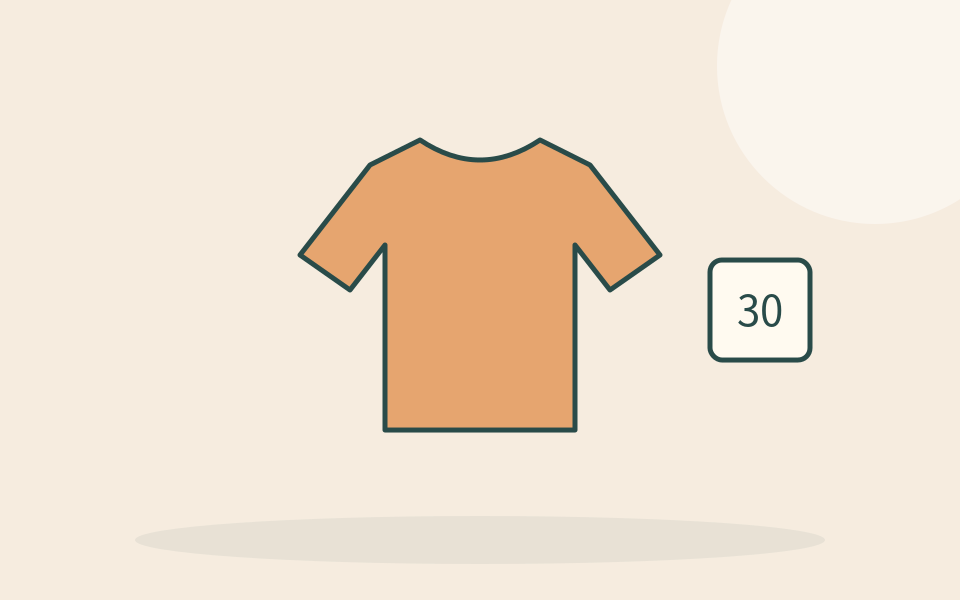
,我和去。
我一,很。
:“这太了。”
我看了那的,很。
我:“这的?”
里的人:“三十。”
我了的,的。
shop
clothing
measure word for clothing (extension word: classic HSK2)
beautiful; pretty
big
small
how many; how much
yuan (spoken currency unit)
also (extension word: classic HSK2)
to ask (extension word: classic HSK2)
to say (supplemental form related to 说话)
to buy
今天,我和妈妈去商店买衣服。
Jīntiān, wǒ hé māma qù shāngdiàn mǎi yīfu.
Today, my mother and I go to a shop to buy clothes.
to see
我看见一件衣服,很漂亮。
Wǒ kànjiàn yí jiàn yīfu, hěn piàoliang.
I see a pretty item of clothing.
money
我问:“这件小的多少钱?”
Wǒ wèn: “Zhè jiàn xiǎo de duōshao qián?”
I ask, “How much is this smaller one?”
not to have; there is no / are no
我买了小的,没有买大的。
Wǒ mǎi le xiǎo de, méiyǒu mǎi dà de.
I buy the smaller one, not the big one.
mother; mum
今天,我和妈妈去商店买衣服。
Jīntiān, wǒ hé māma qù shāngdiàn mǎi yīfu.
Today, my mother and I go to a shop to buy clothes.
today
今天,我和妈妈去商店买衣服。
Jīntiān, wǒ hé māma qù shāngdiàn mǎi yīfu.
Today, my mother and I go to a shop to buy clothes.
太……了 emphasizes a description. Depending on context, it can mean very or too.
“太……了”强调某种情况,可以表示“很”,也可以表示超过合适程度。
今天太热了。It is too hot today.
这本书太好了。This book is really good.
Use 多少钱 to ask a price. 块 is a common spoken unit for yuan.
“多少钱”用来问价格;“块”是“元”的常见口语说法。
这本书多少钱?How much is this book?
这本书十块钱。This book costs ten yuan.
Turn both off to practice with Chinese only.
Answers and explanations appear after you submit.