01
,我去。
,我去。
有。
我:“一?”
她:“三。”
我了三,她九。
一,一,一我。
我了我的,很。
shop; store
to buy
apple
how much money? (多少 + 钱)
colloquial unit for yuan
general measure word
to give; to / for (extension vocabulary: HSK2)
tasty; delicious (extension vocabulary: HSK2)
a lot; many (很 + 多)
to ask (extension vocabulary: HSK2)
to say; supplemental verb form related to 说话
table; desk
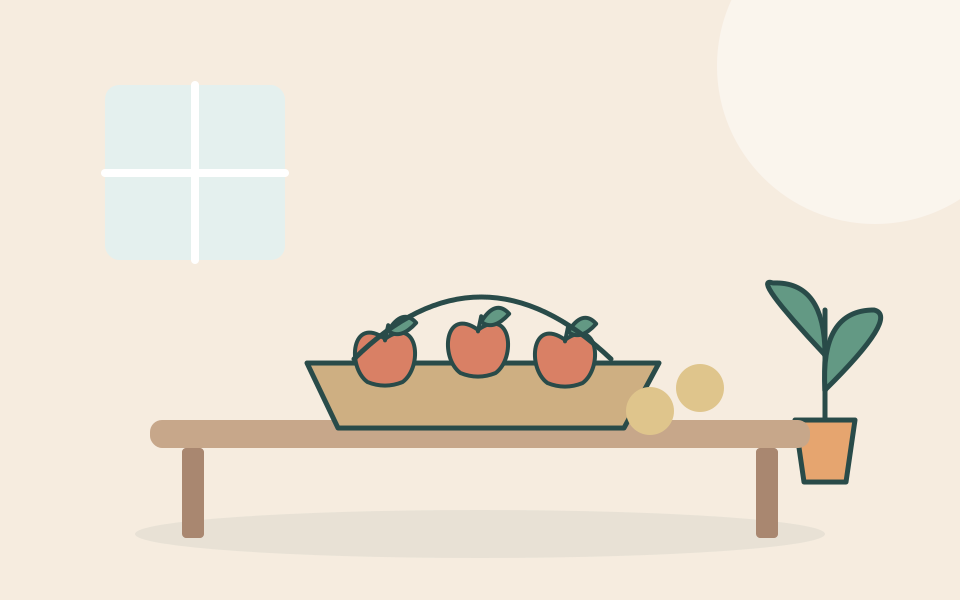
桌子上有很多苹果。
Zhuōzi shàng yǒu hěn duō píngguǒ.
There are a lot of apples on the table.
on; above
桌子上有很多苹果。
Zhuōzi shàng yǒu hěn duō píngguǒ.
There are a lot of apples on the table.
money
我问:“一个苹果多少钱?”
Wǒ wèn: “Yí ge píngguǒ duōshao qián?”
I ask, “How much is one apple?”
father; dad
一个给爸爸,一个给妈妈,一个给我。
Yí ge gěi bàba, yí ge gěi māma, yí ge gěi wǒ.
One is for my father, one for my mother, and one for me.
mother; mum
一个给爸爸,一个给妈妈,一个给我。
Yí ge gěi bàba, yí ge gěi māma, yí ge gěi wǒ.
One is for my father, one for my mother, and one for me.
to eat
我吃了我的苹果,很好吃。
Wǒ chī le wǒ de píngguǒ, hěn hǎochī.
I eat my apple. It tastes good.
today
今天,我去商店买苹果。
Jīntiān, wǒ qù shāngdiàn mǎi píngguǒ.
Today, I go to a shop to buy apples.
Use 多少钱 to ask a price. 块 is a common spoken unit for yuan.
“多少钱”询问价格;“块”是口语中常用的钱数单位。
这个多少钱?How much is this?
Place a measure word between a number and a noun. In this story, 个 counts apples. Books use 本.
数字与名词之间使用量词。本篇用“个”数苹果,书用“本”。
三个苹果。Three apples.
Turn both off to practice with Chinese only.
Answers and explanations appear after you submit.