01
,我去美。
,我去美。
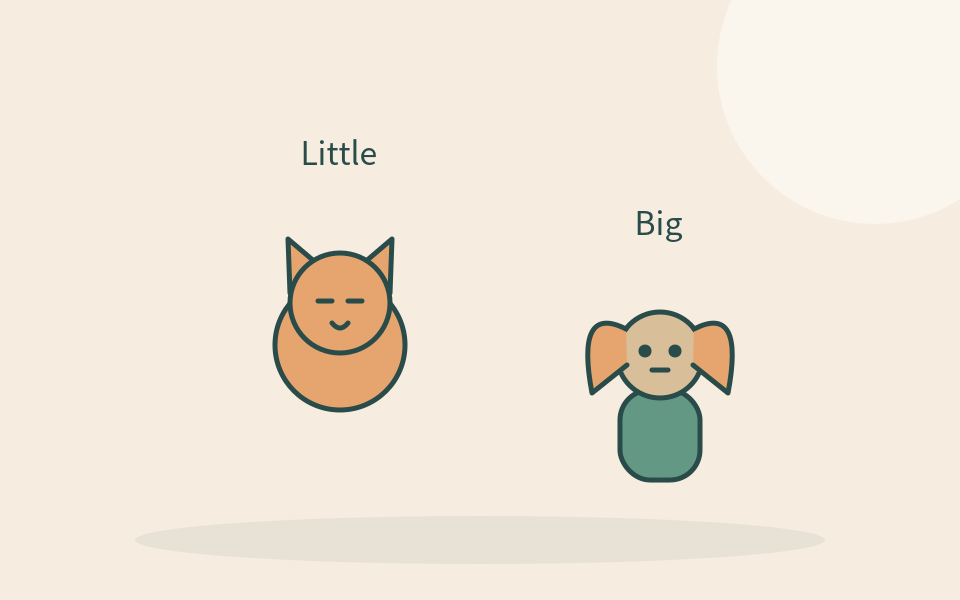
她有一和一。
在上,在。
我:“什么?”
美:“,。”
我:“,?”
美了:“是!我。”
measure word for certain animals (extension use)
cat
dog
big
small
name
to be called
to sleep
all; both
to laugh; to smile (extension word: classic HSK2)
to ask (extension word: classic HSK2)
to say (supplemental form related to 说话)
chair
猫在椅子上睡觉,狗在桌子下面。
Māo zài yǐzi shàng shuìjiào, gǒu zài zhuōzi xiàmiàn.
The cat sleeps on a chair, and the dog is under the table.
table; desk
猫在椅子上睡觉,狗在桌子下面。
Māo zài yǐzi shàng shuìjiào, gǒu zài zhuōzi xiàmiàn.
The cat sleeps on a chair, and the dog is under the table.
under; below; supplemental location expression
猫在椅子上睡觉,狗在桌子下面。
Māo zài yǐzi shàng shuìjiào, gǒu zài zhuōzi xiàmiàn.
The cat sleeps on a chair, and the dog is under the table.
to like
小美笑了:“是!我都喜欢。”
Xiǎoměi xiào le: “Shì! Wǒ dōu xǐhuan.”
Xiaomei laughs. “Yes! I like them both.”
home
今天,我去小美家。
Jīntiān, wǒ qù Xiǎoměi jiā.
Today, I visit Xiaomei’s home.
today
今天,我去小美家。
Jīntiān, wǒ qù Xiǎoměi jiā.
Today, I visit Xiaomei’s home.
在 introduces the place where someone or something is.
“在”后加地点,说明人或东西在哪里。
妈妈在医院。My mother is at the hospital.
书在桌子上。The book is on the table.
都 means all or both of the people or things already mentioned. It comes before the action or description. With a plural subject, 我们都喜欢汉语 means “We all like Chinese.” The objects can also be the topic: 猫和狗,我都喜欢 means “I like both the cat and the dog.” In the story, 我都喜欢 refers back to the two pets; 我 itself is singular.
“都”表示前面提到的人或事物全部包括在内,放在动作或描述前。可以说“我们都喜欢汉语”,也可以先说对象:“猫和狗,我都喜欢。”本篇“我都喜欢”承接前面提到的猫和狗,意思是两只都喜欢,不是说主语“我”是复数。
我们都喜欢汉语。We all like Chinese.
爸爸和妈妈都在家。My father and mother are both at home.
猫和狗,我都喜欢。I like both the cat and the dog.
Turn both off to practice with Chinese only.
Answers and explanations appear after you submit.