01
我和小美星期日去走走,前还买了和。
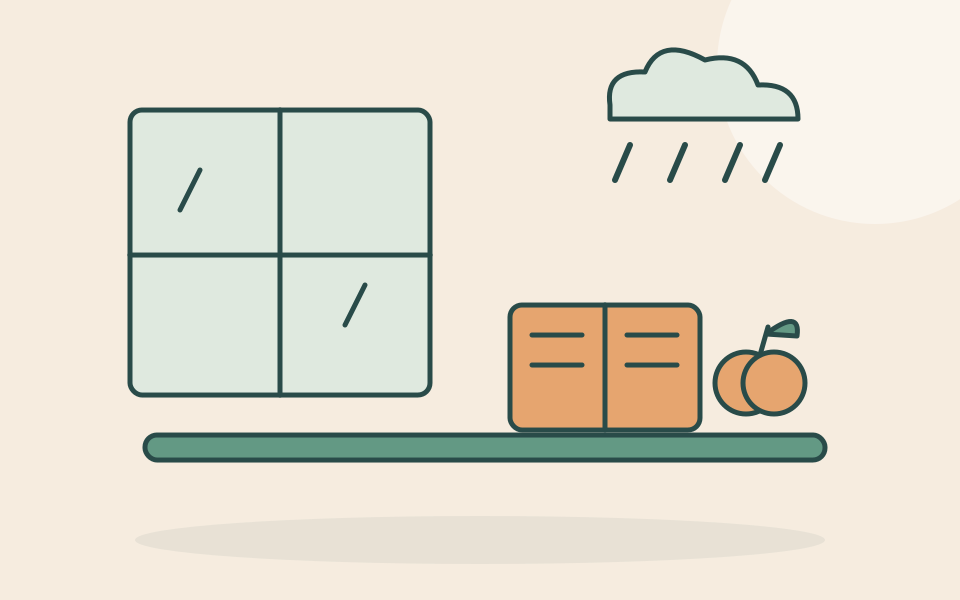
我和小美星期日去走走,前还买了和。
早上起来,雨下得很大。
我看了看外面,说:“今天的全都没用了。”
小美问:“不能去,可不可以做?”
我有点:“都了,还能做什么?”
她把桌上,一本没看的书。
她说:“你不是一直想给我讲这里面的吗?”
我们坐在,吃东西,看书。
,就听外面的。
下午,雨停了,我们又到家走了。
没有去,我觉得这一天也很好。
的改了,并不今天会过得不好。
plan; to plan
我和小美计划星期日去湖边走走,出门前还买了面包和水果。
wǒ hé xiǎo měi jì huà xīng qī rì qù hú biān zǒu zǒu, chū mén qián hái mǎi le miàn bāo hé shuǐ guǒ.
Xiaomei and I planned a lakeside walk on Sunday and bought bread and fruit before leaving.
by the lake
我和小美计划星期日去湖边走走,出门前还买了面包和水果。
wǒ hé xiǎo měi jì huà xīng qī rì qù hú biān zǒu zǒu, chū mén qián hái mǎi le miàn bāo hé shuǐ guǒ.
Xiaomei and I planned a lakeside walk on Sunday and bought bread and fruit before leaving.
to leave home (supplemental word / expression)
我和小美计划星期日去湖边走走,出门前还买了面包和水果。
wǒ hé xiǎo měi jì huà xīng qī rì qù hú biān zǒu zǒu, chū mén qián hái mǎi le miàn bāo hé shuǐ guǒ.
Xiaomei and I planned a lakeside walk on Sunday and bought bread and fruit before leaving.
bread (supplemental word / expression)
我和小美计划星期日去湖边走走,出门前还买了面包和水果。
wǒ hé xiǎo měi jì huà xīng qī rì qù hú biān zǒu zǒu, chū mén qián hái mǎi le miàn bāo hé shuǐ guǒ.
Xiaomei and I planned a lakeside walk on Sunday and bought bread and fruit before leaving.
fruit
我和小美计划星期日去湖边走走,出门前还买了面包和水果。
wǒ hé xiǎo měi jì huà xīng qī rì qù hú biān zǒu zǒu, chū mén qián hái mǎi le miàn bāo hé shuǐ guǒ.
Xiaomei and I planned a lakeside walk on Sunday and bought bread and fruit before leaving.
yet; but (a contrast)
早上起来,却发现雨下得很大。
zǎo shàng qǐ lái, què fā xiàn yǔ xià de hěn dà.
When we got up, however, it was raining heavily.
to discover; to notice
早上起来,却发现雨下得很大。
zǎo shàng qǐ lái, què fā xiàn yǔ xià de hěn dà.
When we got up, however, it was raining heavily.
something else
小美问:“不能去湖边,可不可以做别的事?”
xiǎo měi wèn: "bù néng qù hú biān, kě bu kě yǐ zuò bié de shì? "
Xiaomei asked, “We can't go to the lake, but could we do something else?”
unhappy
我有点不高兴:“都准备好了,还能做什么?”
wǒ yǒu diǎn bù gāo xìng: "dōu zhǔn bèi hǎo le, hái néng zuò shén me? "
I was a little unhappy. “We've prepared everything. What else can we do?”
to be ready; to finish preparing
我有点不高兴:“都准备好了,还能做什么?”
wǒ yǒu diǎn bù gāo xìng: "dōu zhǔn bèi hǎo le, hái néng zuò shén me? "
I was a little unhappy. “We've prepared everything. What else can we do?”
to put in or on a place
她把水果放在桌上,拿出一本很久没看的书。
tā bǎ shuǐ guǒ fàng zài zhuō shàng, ná chū yì běn hěn jiǔ méi kàn de shū.
She put the fruit on the table and took out a book she hadn't read for a long time.
to take out
她把水果放在桌上,拿出一本很久没看的书。
tā bǎ shuǐ guǒ fàng zài zhuō shàng, ná chū yì běn hěn jiǔ méi kàn de shū.
She put the fruit on the table and took out a book she hadn't read for a long time.
a long time
她把水果放在桌上,拿出一本很久没看的书。
tā bǎ shuǐ guǒ fàng zài zhuō shàng, ná chū yì běn hěn jiǔ méi kàn de shū.
She put the fruit on the table and took out a book she hadn't read for a long time.
story
她说:“你不是一直想给我讲这里面的故事吗?”
tā shuō: "nǐ bú shì yì zhí xiǎng gěi wǒ jiǎng zhè lǐ miàn de gù shì ma? "
She said, “Haven't you always wanted to tell me the stories in here?”
by the window (supplemental expression)
我们坐在窗边,一边吃东西,一边看书。
wǒ men zuò zài chuāng biān, yì biān chī dōng xī, yì biān kàn shū.
We sat by the window, eating and reading together.
while; used twice for simultaneous actions (supplemental word / expression)
我们坐在窗边,一边吃东西,一边看书。
wǒ men zuò zài chuāng biān, yì biān chī dōng xī, yì biān kàn shū.
We sat by the window, eating and reading together.
to get tired from reading
看累了,就听外面的雨声。
kàn lèi le, jiù tīng wài miàn de yǔ shēng.
When we got tired of reading, we listened to the rain outside.
the sound of rain (supplemental expression)
看累了,就听外面的雨声。
kàn lèi le, jiù tīng wài miàn de yǔ shēng.
When we got tired of reading, we listened to the rain outside.
nearby; the surrounding area
下午,雨停了,我们又到家附近走了一会儿。
xià wǔ, yǔ tíng le, wǒ men yòu dào jiā fù jìn zǒu le yí huì er.
In the afternoon, the rain stopped, and we went for a short walk near home.
a little while (supplemental word / expression)
下午,雨停了,我们又到家附近走了一会儿。
xià wǔ, yǔ tíng le, wǒ men yòu dào jiā fù jìn zǒu le yí huì er.
In the afternoon, the rain stopped, and we went for a short walk near home.
although
虽然没有去湖边,我觉得这一天也很好。
suī rán méi yǒu qù hú biān, wǒ jué de zhè yì tiān yě hěn hǎo.
Although we hadn't gone to the lake, I felt it had been a good day.
it turns out; originally
原来的计划改了,并不表示今天一定会过得不好。
yuán lái de jì huà gǎi le, bìng bù biǎo shì jīn tiān yí dìng huì guò de bù hǎo.
Changing the original plan didn't necessarily mean the day would go badly.
to indicate; to mean (supplemental word)
原来的计划改了,并不表示今天一定会过得不好。
yuán lái de jì huà gǎi le, bìng bù biǎo shì jīn tiān yí dìng huì guò de bù hǎo.
Changing the original plan didn't necessarily mean the day would go badly.
definitely; must; necessarily
原来的计划改了,并不表示今天一定会过得不好。
yuán lái de jì huà gǎi le, bìng bù biǎo shì jīn tiān yí dìng huì guò de bù hǎo.
Changing the original plan didn't necessarily mean the day would go badly.
Use 一边…一边… for two actions the same person or group does at the same time.
“一边……一边……”表示同一个人同时做两件事。
我一边吃,一边看手机。I look at my phone while eating.
我们一边吃东西,一边看书。We eat while reading.
Use 并不表示 to reject a conclusion someone might draw. 并 strengthens the negative: changing a plan does not automatically mean a bad day.
“并不表示”说明不能从前面的情况直接得出后面的结论。
计划改了,并不表示今天会过得不好。Changing the plan does not mean the day will go badly.
没买东西,并不表示白来了。Buying nothing does not mean the trip was wasted.
Turn both off to practice with Chinese only.
Answers and explanations appear after you submit.