01
妈妈给我了一件,我等了几天,没有。
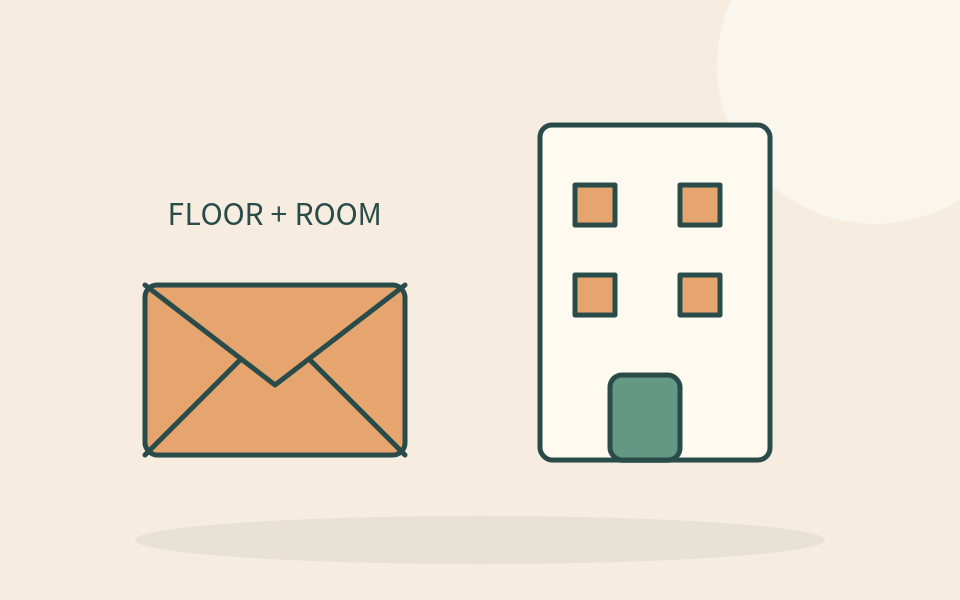
妈妈给我了一件,我等了几天,没有。
小美问:“你写的对吗?”
我把手机给她看:“路和楼的名字都写了,没。”
她又看了,问:“你住几楼?哪一个?”
我这才,上没有这些。
我说:“我每天回家,知道怎么走。”
小美笑了:“送东西的人不是你。”
我把和发给妈妈,请她问问。
下午,到了。
我看了看写的,把每一都写了。
小美问:“这次谁都能找到了吧?”
我说:“对。写给看的东西,不能让。”
to send by post
妈妈给我寄了一件衣服,可是我等了几天,一直没有收到。
mā ma gěi wǒ jì le yí jiàn yī fu, kě shì wǒ děng le jǐ tiān, yì zhí méi yǒu shōu dào.
My mother sent me a piece of clothing, but I waited several days without receiving it.
clothing
妈妈给我寄了一件衣服,可是我等了几天,一直没有收到。
mā ma gěi wǒ jì le yí jiàn yī fu, kě shì wǒ děng le jǐ tiān, yì zhí méi yǒu shōu dào.
My mother sent me a piece of clothing, but I waited several days without receiving it.
but; however
妈妈给我寄了一件衣服,可是我等了几天,一直没有收到。
mā ma gěi wǒ jì le yí jiàn yī fu, kě shì wǒ děng le jǐ tiān, yì zhí méi yǒu shōu dào.
My mother sent me a piece of clothing, but I waited several days without receiving it.
continuously; all along (supplemental word / expression)
妈妈给我寄了一件衣服,可是我等了几天,一直没有收到。
mā ma gěi wǒ jì le yí jiàn yī fu, kě shì wǒ děng le jǐ tiān, yì zhí méi yǒu shōu dào.
My mother sent me a piece of clothing, but I waited several days without receiving it.
to receive
妈妈给我寄了一件衣服,可是我等了几天,一直没有收到。
mā ma gěi wǒ jì le yí jiàn yī fu, kě shì wǒ děng le jǐ tiān, yì zhí méi yǒu shōu dào.
My mother sent me a piece of clothing, but I waited several days without receiving it.
address
小美问:“你写的地址对吗?”
xiǎo měi wèn: "nǐ xiě de dì zhǐ duì ma? "
Xiaomei asked, “Is the address you wrote correct?”
should; ought to
我把手机给她看:“路和楼的名字都写了,应该没问题。”
wǒ bǎ shǒu jī gěi tā kàn: "lù hé lóu de míng zì dōu xiě le, yīng gāi méi wèn tí. "
I showed her my phone. “I wrote the street and building names. It should be fine.”
question; problem
我把手机给她看:“路和楼的名字都写了,应该没问题。”
wǒ bǎ shǒu jī gěi tā kàn: "lù hé lóu de míng zì dōu xiě le, yīng gāi méi wèn tí. "
I showed her my phone. “I wrote the street and building names. It should be fine.”
once through; one repetition
她又看了一遍,问:“你住几楼?哪一个房间?”
tā yòu kàn le yí biàn, wèn: "nǐ zhù jǐ lóu? nǎ yí gè fáng jiān? "
She looked again and asked, “Which floor do you live on? Which room?”
room (extension vocabulary: HSK2)
她又看了一遍,问:“你住几楼?哪一个房间?”
tā yòu kàn le yí biàn, wèn: "nǐ zhù jǐ lóu? nǎ yí gè fáng jiān? "
She looked again and asked, “Which floor do you live on? Which room?”
to discover; to notice
我这才发现,地址上没有这些。
wǒ zhè cái fā xiàn, dì zhǐ shàng méi yǒu zhè xiē.
Only then did I notice that this information was missing from the address.
of course
我说:“我每天回家,当然知道怎么走。”
wǒ shuō: "wǒ měi tiān huí jiā, dāng rán zhī dào zěn me zǒu. "
I said, “I go home every day, so of course I know the way.”
right away (supplemental word / expression)
我马上把楼层和房间号发给妈妈,请她帮忙问问。
wǒ mǎ shàng bǎ lóu céng hé fáng jiān hào fā gěi mā ma, qǐng tā bāng máng wèn wèn.
I immediately sent my mother the floor and room number and asked her to help check.
floor of a building (supplemental word)
我马上把楼层和房间号发给妈妈,请她帮忙问问。
wǒ mǎ shàng bǎ lóu céng hé fáng jiān hào fā gěi mā ma, qǐng tā bāng máng wèn wèn.
I immediately sent my mother the floor and room number and asked her to help check.
room number (supplemental expression)
我马上把楼层和房间号发给妈妈,请她帮忙问问。
wǒ mǎ shàng bǎ lóu céng hé fáng jiān hào fā gěi mā ma, qǐng tā bāng máng wèn wèn.
I immediately sent my mother the floor and room number and asked her to help check.
to help
我马上把楼层和房间号发给妈妈,请她帮忙问问。
wǒ mǎ shàng bǎ lóu céng hé fáng jiān hào fā gěi mā ma, qǐng tā bāng máng wèn wèn.
I immediately sent my mother the floor and room number and asked her to help check.
the next day
第二天下午,衣服到了。
dì èr tiān xià wǔ, yī fu dào le.
The clothes arrived the following afternoon.
again; anew (supplemental word)
我重新看了看自己写的地址,把每一部分都写清楚了。
wǒ chóng xīn kàn le kàn zì jǐ xiě de dì zhǐ, bǎ měi yí bù fen dōu xiě qīng chu le.
I checked my address again and wrote every part clearly.
oneself; one's own (supplemental word / expression)
我重新看了看自己写的地址,把每一部分都写清楚了。
wǒ chóng xīn kàn le kàn zì jǐ xiě de dì zhǐ, bǎ měi yí bù fen dōu xiě qīng chu le.
I checked my address again and wrote every part clearly.
part; section (supplemental word)
我重新看了看自己写的地址,把每一部分都写清楚了。
wǒ chóng xīn kàn le kàn zì jǐ xiě de dì zhǐ, bǎ měi yí bù fen dōu xiě qīng chu le.
I checked my address again and wrote every part clearly.
clear; clearly
我重新看了看自己写的地址,把每一部分都写清楚了。
wǒ chóng xīn kàn le kàn zì jǐ xiě de dì zhǐ, bǎ měi yí bù fen dōu xiě qīng chu le.
I checked my address again and wrote every part clearly.
other people; someone else
我说:“对。写给别人看的东西,不能只让自己明白。”
wǒ shuō: "duì. xiě gěi bié rén kàn de dōng xī, bù néng zhǐ ràng zì jǐ míng bái. "
I said, “Right. If I write something for other people, it can't only make sense to me.”
to understand; to be clear (supplemental word / expression)
我说:“对。写给别人看的东西,不能只让自己明白。”
wǒ shuō: "duì. xiě gěi bié rén kàn de dōng xī, bù néng zhǐ ràng zì jǐ míng bái. "
I said, “Right. If I write something for other people, it can't only make sense to me.”
only
我说:“对。写给别人看的东西,不能只让自己明白。”
wǒ shuō: "duì. xiě gěi bié rén kàn de dōng xī, bù néng zhǐ ràng zì jǐ míng bái. "
I said, “Right. If I write something for other people, it can't only make sense to me.”
Use 把 to put a known object before the action and say what happens to it. Include a result or destination: not just 把 + object + a bare verb.
“把”后面放已知的东西,再说对它做了什么、结果怎样或放到哪里。
我把书放进包里。I put the book in my bag.
请把地址写清楚。Please write the address clearly.
Put 清楚 after a verb to describe a clear result. 写清楚 means write clearly; 说清楚 means explain clearly.
动词后面加“清楚”,表示内容明确,别人容易明白。
请把地址写清楚。Please write the address clearly.
我们把时间说清楚了。We made the time clear.
Turn both off to practice with Chinese only.
Answers and explanations appear after you submit.