01
六早上,小明问我:“今天出去玩吗?”
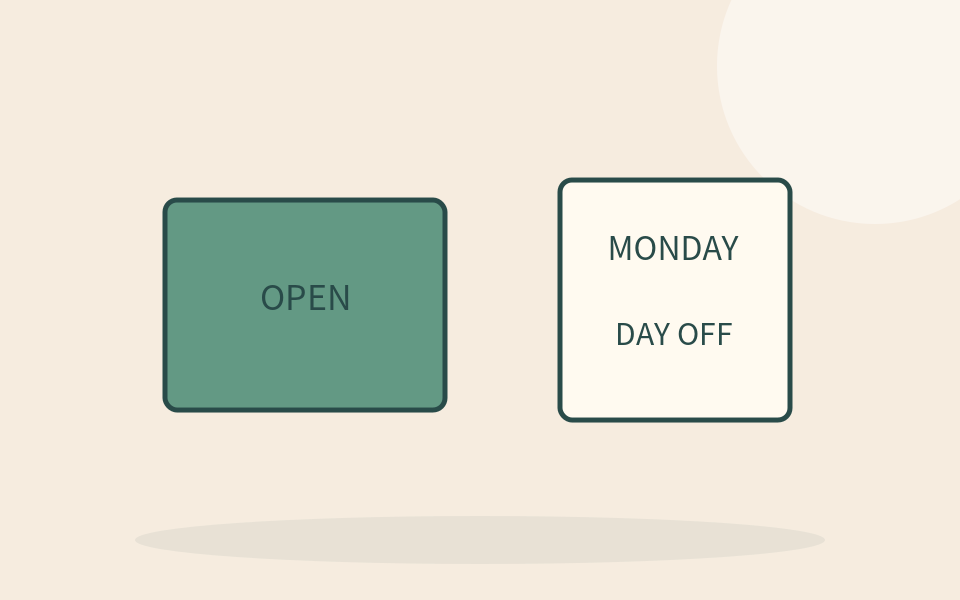
六早上,小明问我:“今天出去玩吗?”
我说:“今天要。”
他很:“六也?”
我他,我在一家饭馆工作。
六和日多,我一。
他说:“可是一我要,我们什么?”
我想了想:“你一下午几点?”
他说:“四点。”
我说:“那我们见,吃。”
一下午,他书来了,我的。
我们,他说学校的,我说饭馆的。
to go to work; to work
to rest
so; therefore
to tell
week; day of the week
fruit
customer; guest (supplemental word / expression)
strange; puzzled (supplemental word / expression)
to meet (supplemental word / expression)
to finish buying; to have bought and ready (supplemental word / expression)
to attend or teach a class
他说:“可是星期一我要上课,我们什么时候见面?”
tā shuō: "kě shì xīng qī yī wǒ yào shàng kè, wǒ men shén me shí hou jiàn miàn? "
He says, “But I have class on Mondays. When can we meet?”
to finish class; class ends
我想了想:“你星期一下午几点下课?”
wǒ xiǎng le xiǎng: "nǐ xīng qī yī xià wǔ jǐ diǎn xià kè? "
I think for a moment. “What time does your class finish on Monday afternoon?”
together
星期六早上,小明问我:“今天一起出去玩吗?”
xīng qī liù zǎo shàng, xiǎo míng wèn wǒ: "jīn tiān yì qǐ chū qù wán ma? "
On Saturday morning, Xiaoming asks me, “Shall we go out together today?”
dinner; the evening meal
我说:“那我们四点半见,一起吃晚饭。”
wǒ shuō: "nà wǒ men sì diǎn bàn jiàn, yì qǐ chī wǎn fàn. "
I say, “Then let's meet at four thirty and have dinner together.”
time; moment
他说:“可是星期一我要上课,我们什么时候见面?”
tā shuō: "kě shì xīng qī yī wǒ yào shàng kè, wǒ men shén me shí hou jiàn miàn? "
He says, “But I have class on Mondays. When can we meet?”
to have or carry something with you
星期一下午,他带着书来了,我带着买好的水果。
xīng qī yī xià wǔ, tā dài zhe shū lái le, wǒ dài zhe mǎi hǎo de shuǐ guǒ.
On Monday afternoon, he arrives with his books, and I bring some fruit I've bought.
to sit down
我们坐下来,他说学校的事,我说饭馆的事。
wǒ men zuò xià lái, tā shuō xué xiào de shì, wǒ shuō fàn guǎn de shì.
We sit down. He talks about school, and I talk about the restaurant.
a matter; something that happens
我们坐下来,他说学校的事,我说饭馆的事。
wǒ men zuò xià lái, tā shuō xué xiào de shì, wǒ shuō fàn guǎn de shì.
We sit down. He talks about school, and I talk about the restaurant.
half past four
我说:“那我们四点半见,一起吃晚饭。”
wǒ shuō: "nà wǒ men sì diǎn bàn jiàn, yì qǐ chī wǎn fàn. "
I say, “Then let's meet at four thirty and have dinner together.”
因为 introduces a reason; 所以 introduces a result. Either part can be used on its own when the context supplies the other.
“因为”引出原因,“所以”引出结果;语境明确时,也可以只用其中一个。
因为下雨,所以我不出去。Because it is raining, I am not going out.
我很累,所以想休息。I am tired, so I want to rest.
Put a time expression before the action. It can appear before or after the subject.
时间放在动作前,可以在主语前,也可以在主语后。
星期一,我休息。I have Mondays off.
我们下午四点半见面。We will meet at four thirty in the afternoon.
Turn both off to practice with Chinese only.
Answers and explanations appear after you submit.