01
今天是小美的,我想她买一个小。
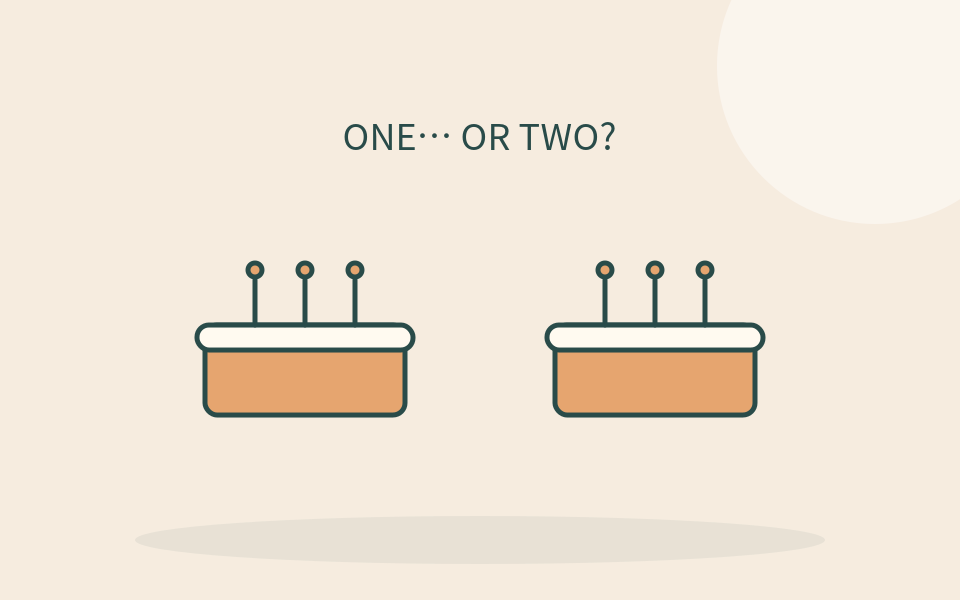
今天是小美的,我想她买一个小。
里的人问:“要几个?”
我说:“一个。”
她问:“这个吗?”
我说:“对。”
她了我。
我说:“我一个。”
她地说:“,我了。”
我正想把一个,小明我:“我去小美家,要什么?”
我,说:“买了,我这里有。”
他问:“买?”
我说:“一个是我的,一个现在是你的了!”
birthday
to give; to; for
only want; only need (in this story) (supplemental word / expression)
wrong; mistaken
why
cake (supplemental word / expression)
to mishear (supplemental word / expression)
embarrassed; sorry (a polite phrase) (supplemental word / expression)
to put back (supplemental word / expression)
to bring; to carry (supplemental word / expression)
shop
商店里的人问:“要几个?”
shāng diàn lǐ de rén wèn: "yào jǐ gè? "
The shop assistant asks, “How many would you like?”
again
她又问:“这个吗?”
tā yòu wèn: "zhè ge ma? "
She asks again, “This one?”
sorry
她不好意思地说:“对不起,我听错了。”
tā bù hǎo yì si de shuō: "duì bù qǐ, wǒ tīng cuò le. "
She says apologetically, “Sorry, I misheard you.”
to make a phone call
我正想把一个放回去,小明给我打电话:“我也去小美家,要带什么?”
wǒ zhèng xiǎng bǎ yí gè fàng huí qù, xiǎo míng gěi wǒ dǎ diàn huà: "wǒ yě qù xiǎo měi jiā, yào dài shén me? "
Just as I'm about to put one back, Xiaoming calls me. “I'm going to Xiaomei's home too. What should I bring?”
to take a look
我看看两个蛋糕,说:“不用买了,我这里有两个。”
wǒ kàn kan liǎng gè dàn gāo, shuō: "bú yòng mǎi le, wǒ zhè lǐ yǒu liǎng gè. "
I look at the two cakes and say, “No need to buy anything. I have two here.”
do not need to; no need
我看看两个蛋糕,说:“不用买了,我这里有两个。”
wǒ kàn kan liǎng gè dàn gāo, shuō: "bú yòng mǎi le, wǒ zhè lǐ yǒu liǎng gè. "
I look at the two cakes and say, “No need to buy anything. I have two here.”
to take; to bring
她拿了两个蛋糕给我。
tā ná le liǎng gè dàn gāo gěi wǒ.
She gives me two cakes.
only
我说:“我只要一个。”
wǒ shuō: "wǒ zhǐ yào yí gè. "
I say, “I only want one.”
two
她拿了两个蛋糕给我。
tā ná le liǎng gè dàn gāo gěi wǒ.
She gives me two cakes.
also
我正想把一个放回去,小明给我打电话:“我也去小美家,要带什么?”
wǒ zhèng xiǎng bǎ yí gè fàng huí qù, xiǎo míng gěi wǒ dǎ diàn huà: "wǒ yě qù xiǎo měi jiā, yào dài shén me? "
Just as I'm about to put one back, Xiaoming calls me. “I'm going to Xiaomei's home too. What should I bring?”
Here 只要 means only need or only want. It is not the conditional pattern meaning as long as.
这里的“只要”表示只需要或只想要,不是表示条件。
走路只要十分钟。Walking takes only ten minutes.
我只要一个。I only want one.
A word after the verb can show the result: 错 means incorrectly, 到 can mean successfully reached or found, and 完 means finished. Negate a completed result with 没 or 没有.
动词后的词说明结果:“错”表示做错,“到”可表示达到或找到,“完”表示完成。否定已完成的结果用“没”或“没有”。
我拿错书了。I took the wrong book.
我没找到手机。I did not find the phone.
Turn both off to practice with Chinese only.
Answers and explanations appear after you submit.