01
我不,今天去上了课。
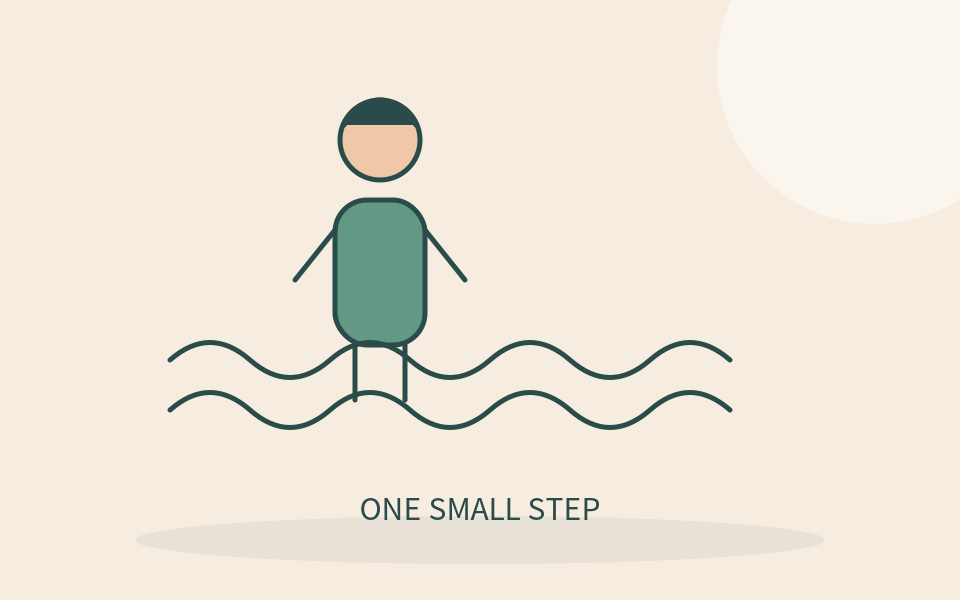
我不,今天去上了课。
老师让我先站在里。
我说:“我。”
他说:“不,你先走。”
我在里走了,没有那么了。
老师又我把里。
我了,第三次。
,小明问:“你了吗?”
我说:“还不,可是我现在不把里了。”
他笑了:“这也!”
明天还有一课。
我早一点去,先在里走。
to swim
first
to teach (supplemental word / expression)
to prepare; to plan
water
to know how to
to be afraid (supplemental word / expression)
deep (supplemental word / expression)
to try (supplemental word / expression)
measure word for lessons (supplemental word / expression)
face (supplemental word / expression)
slowly; take your time
他说:“水不深,你先慢慢走。”
tā shuō: "shuǐ bù shēn, nǐ xiān màn màn zǒu. "
He says, “The water isn't deep. Walk slowly first.”
a little while
我在水里走了一会儿,没有那么怕了。
wǒ zài shuǐ lǐ zǒu le yí huì er, méi yǒu nà me pà le.
I walk in the water for a little while and feel less scared.
to put into
老师又教我把脸放进水里。
lǎo shī yòu jiāo wǒ bǎ liǎn fàng jìn shuǐ lǐ.
The teacher then teaches me to put my face in the water.
twice; two times
我试了两次,第三次才做好。
wǒ shì le liǎng cì, dì sān cì cái zuò hǎo.
I try twice and only get it right the third time.
only then; not until
我试了两次,第三次才做好。
wǒ shì le liǎng cì, dì sān cì cái zuò hǎo.
I try twice and only get it right the third time.
to finish doing something properly; to get something ready
我试了两次,第三次才做好。
wǒ shì le liǎng cì, dì sān cì cái zuò hǎo.
I try twice and only get it right the third time.
to finish class; class ends
下课以后,小明问:“你会游泳了吗?”
xià kè yǐ hòu, xiǎo míng wèn: "nǐ huì yóu yǒng le ma? "
After class, Xiaoming asks, “Can you swim now?”
after; later; in the future
下课以后,小明问:“你会游泳了吗?”
xià kè yǐ hòu, xiǎo míng wèn: "nǐ huì yóu yǒng le ma? "
After class, Xiaoming asks, “Can you swim now?”
not bad; pretty good
他笑了:“这也不错!”
tā xiào le: "zhè yě bú cuò! "
He laughs. “That's pretty good too!”
a little; somewhat
我说:“我有点怕。”
wǒ shuō: "wǒ yǒu diǎn pà. "
I say, “I'm a little scared.”
会 describes knowing how to do a learned activity, such as swimming or speaking a language.
“会”表示掌握一种技能,例如游泳或说一种语言。
我会游泳。I can swim.
我不会说日语。I cannot speak Japanese.
才 shows that an action happens only at that time or after that condition. This is a supplemental usage for these stories.
“才”说明动作到某个时间或条件满足后才发生,是本单元的补充用法。
我听了两遍才明白。I only understood after listening twice.
他八点十分才来。He did not arrive until eight ten.
Turn both off to practice with Chinese only.
Answers and explanations appear after you submit.