01
今天,我七点半,八点就到了。
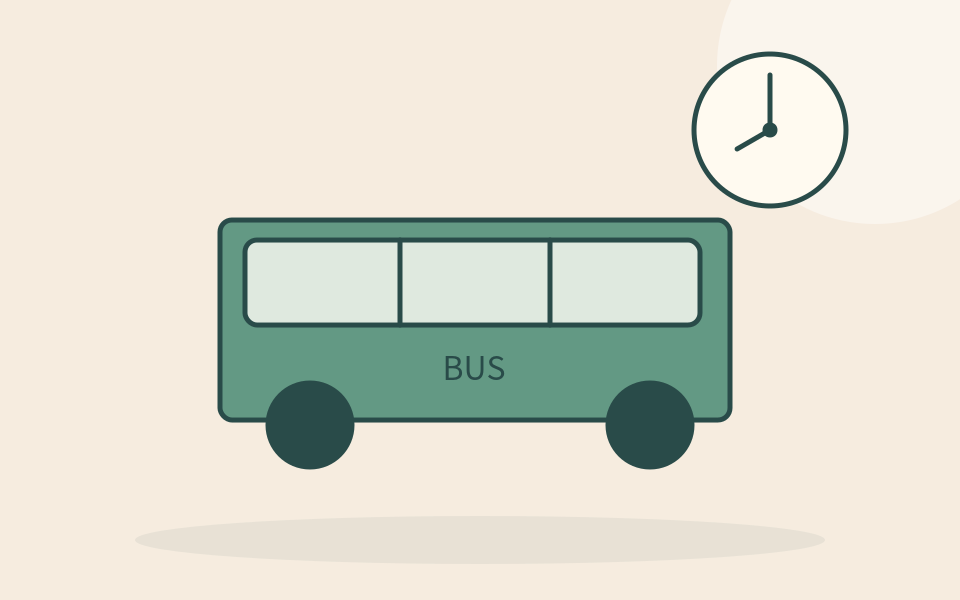
今天,我七点半,八点就到了。
小明问我:“你家很吗?”
我说:“不太。我坐来,要二十。”
小明说:“我家很,我来,十。”
我问:“那你今天八点十分来?”
他地说:“我走到,书还在家里。我书了。”
我他的书:“都了吗?”
他笑了:“了。可是,我还没吃!”
bus
minute
near
from; distance from
to walk (supplemental word / expression)
to leave home (supplemental word / expression)
only then; not until (supplemental word / expression)
again (for something repeated) (supplemental word / expression)
to take; to hold (supplemental word / expression)
to bring; to carry (supplemental word / expression)
embarrassed; sorry (a polite phrase) (supplemental word / expression)
every day
我说:“不太近。我每天坐公共汽车来,要二十分钟。”
wǒ shuō: "bú tài jìn. wǒ měi tiān zuò gōng gòng qì chē lái, yào èr shí fēn zhōng. "
I say, “Not very close. I take the bus here every day. It takes twenty minutes.”
school
今天,我七点半出门,八点就到学校了。
jīn tiān, wǒ qī diǎn bàn chū mén, bā diǎn jiù dào xué xiào le.
Today, I leave home at seven thirty and am already at school by eight.
to know a fact
他不好意思地说:“我走到学校,才知道书还在家里。我又回家拿书了。”
tā bù hǎo yì si de shuō: "wǒ zǒu dào xué xiào, cái zhī dào shū hái zài jiā lǐ. wǒ yòu huí jiā ná shū le. "
He says sheepishly, “I got to school before I realized my book was still at home. I went home again to get it.”
to go home; to return home
他不好意思地说:“我走到学校,才知道书还在家里。我又回家拿书了。”
tā bù hǎo yì si de shuō: "wǒ zǒu dào xué xiào, cái zhī dào shū hái zài jiā lǐ. wǒ yòu huí jiā ná shū le. "
He says sheepishly, “I got to school before I realized my book was still at home. I went home again to get it.”
breakfast
他笑了:“带了。可是,我还没吃早饭!”
tā xiào le: "dài le. kě shì, wǒ hái méi chī zǎo fàn! "
He laughs. “Yes. But I haven't had breakfast yet!”
how
我问:“那你今天怎么八点十分才来?”
wǒ wèn: "nà nǐ jīn tiān zěn me bā diǎn shí fēn cái lái? "
I ask, “Then why did you only get here at eight ten today?”
this time
我看看他的书:“这次都带了吗?”
wǒ kàn kan tā de shū: "zhè cì dōu dài le ma? "
I look at his book. “Did you bring everything this time?”
only want; only need
小明说:“我家很近,我走路来,只要十分钟。”
xiǎo míng shuō: "wǒ jiā hěn jìn, wǒ zǒu lù lái, zhǐ yào shí fēn zhōng. "
Xiaoming says, “My home is very close. I walk here. It only takes ten minutes.”
to take a look
我看看他的书:“这次都带了吗?”
wǒ kàn kan tā de shū: "zhè cì dōu dài le ma? "
I look at his book. “Did you bring everything this time?”
Use 离 to connect two places when describing the distance between them.
“离”连接两个地点,说明距离远近。
我家离学校很近。My home is close to school.
公司离我家很远。The office is far from my home.
Here 只要 means only need or only want. It is not the conditional pattern meaning as long as.
这里的“只要”表示只需要或只想要,不是表示条件。
走路只要十分钟。Walking takes only ten minutes.
我只要一个。I only want one.
Turn both off to practice with Chinese only.
Answers and explanations appear after you submit.