01
小美很喜欢,今天她请几个朋友到家里玩。
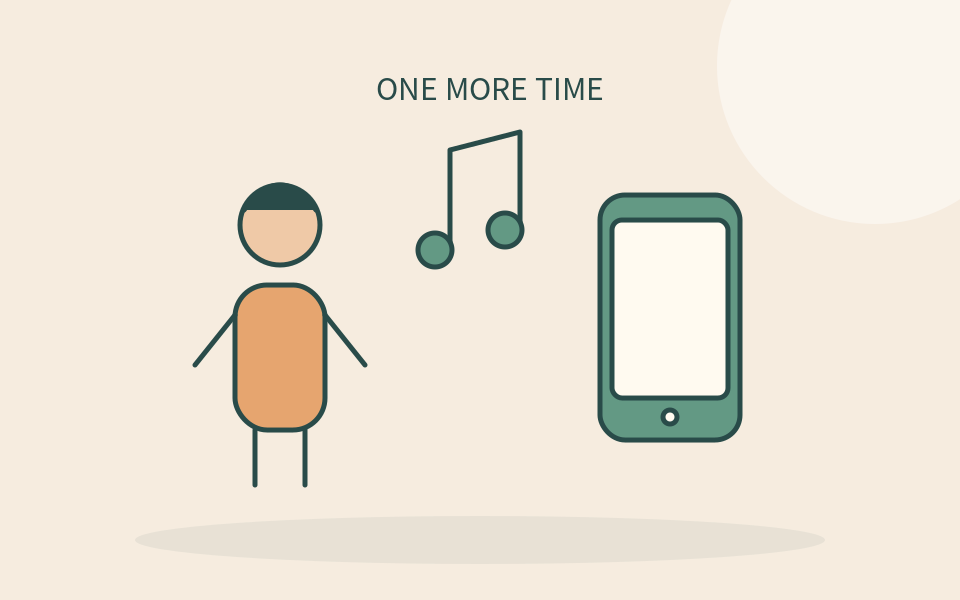
小美很喜欢,今天她请几个朋友到家里玩。
说:“你给我们唱一吧!”
她说:“好,可是我唱得不太好。”
她刚唱到,手机了。
她下来:“妈妈,怎么了?”
妈妈:“你们晚上在家吃饭吗?”
小美我们:“你们想吃什么?”
说,有人想吃面条,有人想吃。
说完以后,小明:“的歌呢?”
小美笑了:“我了唱到哪里了。”
我们说:“,唱吧!”
to sing
everyone
to ask
cooked rice
time; occurrence
measure word for songs and poems (supplemental word / expression)
to ring; to make a sound (supplemental word / expression)
to stop (supplemental word / expression)
to answer a phone call (supplemental word / expression)
from the beginning (supplemental word / expression)
half
她刚唱到一半,手机响了。
tā gāng chàng dào yí bàn, shǒu jī xiǎng le.
Just halfway through the song, her phone rings.
to be looking at
小美看着我们:“你们想吃什么?”
xiǎo měi kàn zhe wǒ men: "nǐ men xiǎng chī shén me? "
Xiaomei looks at us. “What would you like to eat?”
to start; to begin
大家开始说,有人想吃面条,有人想吃米饭。
dà jiā kāi shǐ shuō, yǒu rén xiǎng chī miàn tiáo, yǒu rén xiǎng chī mǐ fàn.
Everyone starts talking. Some want noodles, and some want rice.
just now
说完以后,小明问:“刚才的歌呢?”
shuō wán yǐ hòu, xiǎo míng wèn: "gāng cái de gē ne? "
When we've finished talking, Xiaoming asks, “What about the song?”
to forget
小美笑了:“我忘了唱到哪里了。”
xiǎo měi xiào le: "wǒ wàng le chàng dào nǎ lǐ le. "
Xiaomei laughs. “I've forgotten where I got to.”
it is okay; never mind
我们说:“没关系,从头再唱一次吧!”
wǒ men shuō: "méi guān xì, cóng tóu zài chàng yí cì ba! "
We say, “No problem. Sing it again from the beginning!”
again; then
我们说:“没关系,从头再唱一次吧!”
wǒ men shuō: "méi guān xì, cóng tóu zài chàng yí cì ba! "
We say, “No problem. Sing it again from the beginning!”
once; one time
我们说:“没关系,从头再唱一次吧!”
wǒ men shuō: "méi guān xì, cóng tóu zài chàng yí cì ba! "
We say, “No problem. Sing it again from the beginning!”
Use 得 after a verb to describe how someone performs the action. This 得 is pronounced de.
动词后的“得”说明动作做得怎么样,这里的“得”读轻声。
她说得很好。She speaks very well.
他跑得很快。He runs very fast.
又 often describes something that has happened again. 再 often asks for or plans another repetition.
“又”常说明动作再次发生;“再”常用于打算或请求再做一次。
他又来了。He has come again.
请再说一遍。Please say it again.
Turn both off to practice with Chinese only.
Answers and explanations appear after you submit.