01
今天以后,我坐回家。
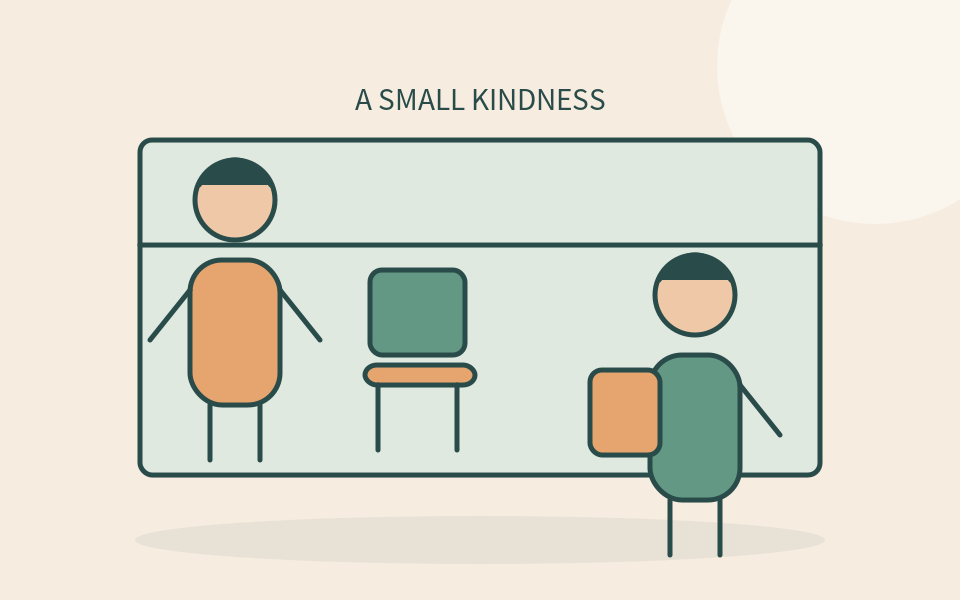
今天以后,我坐回家。
车里的人很多,我等了两,找到一个。
坐下,车上来了一位。
他一个大,在我旁边。
我有点,说:“坐这里吧。”
他说:“谢谢,我下一就了。你坐吧。”
我说:“,我可以一会儿。”
我们说了,谁都没有坐下。
这时候,我看见还有一个小孩子。
他一直的衣服。
我说:“那让孩子坐吧,在旁边也。”
,把放在。
下一,他们下了车。
对我笑了笑。
我又坐下来,发现只了一会儿,却比上车的时候好了一点。
to finish work; to get off work
今天下班以后,我坐公共汽车回家。
jīn tiān xià bān yǐ hòu, wǒ zuò gōng gòng qì chē huí jiā.
Today, I took the bus home after work.
bus
今天下班以后,我坐公共汽车回家。
jīn tiān xià bān yǐ hòu, wǒ zuò gōng gòng qì chē huí jiā.
Today, I took the bus home after work.
stop (bus stop: s02, s06, s13); to stand (s04, s05, s07, s11, s15)
车里的人很多,我等了两站,终于找到一个座位。
chē lǐ de rén hěn duō, wǒ děng le liǎng zhàn, zhōng yú zhǎo dào yí gè zuò wèi.
The bus was crowded. I waited two stops and finally found a seat.
finally (after waiting or effort)
车里的人很多,我等了两站,终于找到一个座位。
chē lǐ de rén hěn duō, wǒ děng le liǎng zhàn, zhōng yú zhǎo dào yí gè zuò wèi.
The bus was crowded. I waited two stops and finally found a seat.
seat
车里的人很多,我等了两站,终于找到一个座位。
chē lǐ de rén hěn duō, wǒ děng le liǎng zhàn, zhōng yú zhǎo dào yí gè zuò wèi.
The bus was crowded. I waited two stops and finally found a seat.
just; a moment ago
刚坐下,车上来了一位老人。
gāng zuò xià, chē shàng lái le yí wèi lǎo rén.
Just after I sat down, an elderly man got on.
an elderly person
刚坐下,车上来了一位老人。
gāng zuò xià, chē shàng lái le yí wèi lǎo rén.
Just after I sat down, an elderly man got on.
to be carrying in one's hand (supplemental expression)
他提着一个大袋子,站在我旁边。
tā tí zhe yí gè dà dài zi, zhàn zài wǒ páng biān.
He was carrying a large bag and stood next to me.
bag (supplemental word)
他提着一个大袋子,站在我旁边。
tā tí zhe yí gè dà dài zi, zhàn zài wǒ páng biān.
He was carrying a large bag and stood next to me.
tired
我有点累,还是站起来说:“您坐这里吧。”
wǒ yǒu diǎn lèi, hái shì zhàn qǐ lái shuō: "nín zuò zhè lǐ ba. "
I was a little tired, but still stood up and said, “Please sit here.”
still; or (when asking someone to choose)
我有点累,还是站起来说:“您坐这里吧。”
wǒ yǒu diǎn lèi, hái shì zhàn qǐ lái shuō: "nín zuò zhè lǐ ba. "
I was a little tired, but still stood up and said, “Please sit here.”
to stand up
我有点累,还是站起来说:“您坐这里吧。”
wǒ yǒu diǎn lèi, hái shì zhàn qǐ lái shuō: "nín zuò zhè lǐ ba. "
I was a little tired, but still stood up and said, “Please sit here.”
you (polite form)
我有点累,还是站起来说:“您坐这里吧。”
wǒ yǒu diǎn lèi, hái shì zhàn qǐ lái shuō: "nín zuò zhè lǐ ba. "
I was a little tired, but still stood up and said, “Please sit here.”
to get off a vehicle
他说:“谢谢,我下一站就下车了。你坐吧。”
tā shuō: "xiè xiè, wǒ xià yí zhàn jiù xià chē le. nǐ zuò ba. "
He said, “Thank you. I'm getting off at the next stop. You sit down.”
it is okay; never mind
我说:“没关系,我可以站一会儿。”
wǒ shuō: "méi guān xì, wǒ kě yǐ zhàn yí huì er. "
I said, “It's okay. I can stand for a while.”
a few sentences or words
我们说了几句,谁都没有坐下。
wǒ men shuō le jǐ jù, shuí dōu méi yǒu zuò xià.
We exchanged a few words, but neither of us sat down.
behind a person (supplemental expression)
这时候,我看见老人身后还有一个小孩子。
zhè shí hou, wǒ kàn jiàn lǎo rén shēn hòu hái yǒu yí gè xiǎo hái zi.
Then I noticed a young child behind the elderly man.
to be holding or pulling (supplemental expression)
他一直拉着老人的衣服。
tā yì zhí lā zhe lǎo rén de yī fu.
The child kept holding onto the man's clothes.
convenient
我说:“那让孩子坐吧,您站在旁边也方便。”
wǒ shuō: "nà ràng hái zi zuò ba, nín zhàn zài páng biān yě fāng biàn. "
I said, “Then let the child sit. It'll be convenient for you to stand beside him.”
nodded (supplemental expression)
老人点了点头,把袋子放在脚边。
lǎo rén diǎn le diǎn tóu, bǎ dài zi fàng zài jiǎo biān.
The elderly man nodded and put his bag next to his feet.
beside one's feet (supplemental expression)
老人点了点头,把袋子放在脚边。
lǎo rén diǎn le diǎn tóu, bǎ dài zi fàng zài jiǎo biān.
The elderly man nodded and put his bag next to his feet.
to turn one's head; to look back
老人回头对我笑了笑。
lǎo rén huí tóu duì wǒ xiào le xiào.
The elderly man turned back and smiled at me.
mood; how one feels (supplemental word)
我又坐下来,发现虽然只站了一会儿,心情却比刚上车的时候好了一点。
wǒ yòu zuò xià lái, fā xiàn suī rán zhǐ zhàn le yí huì er, xīn qíng què bǐ gāng shàng chē de shí hou hǎo le yì diǎn.
I sat down again and noticed that, although I'd only stood for a short while, I felt a little better than when I'd first got on.
although
我又坐下来,发现虽然只站了一会儿,心情却比刚上车的时候好了一点。
wǒ yòu zuò xià lái, fā xiàn suī rán zhǐ zhàn le yí huì er, xīn qíng què bǐ gāng shàng chē de shí hou hǎo le yì diǎn.
I sat down again and noticed that, although I'd only stood for a short while, I felt a little better than when I'd first got on.
"谁都没有…" means nobody did the action. It is a statement about everyone, not a question asking who.
“谁都没有……”表示没有一个人做这件事,不是在问“谁”。
谁都没有坐下。Nobody sat down.
谁都没有说话。Nobody spoke.
In this story, "还是" means still or nevertheless: the speaker is tired but stands up. This is different from "还是" used to offer choices in a question.
这里的“还是”表示虽然有前面的情况,后面的动作仍然发生。它不是选择问句里的“还是”。
我很累,还是站起来了。I was tired, but I still stood up.
下雨了,他还是出门了。It was raining, but he still went out.
Turn both off to practice with Chinese only.
Answers and explanations appear after you submit.