01
小明想我,他去了一个新的。
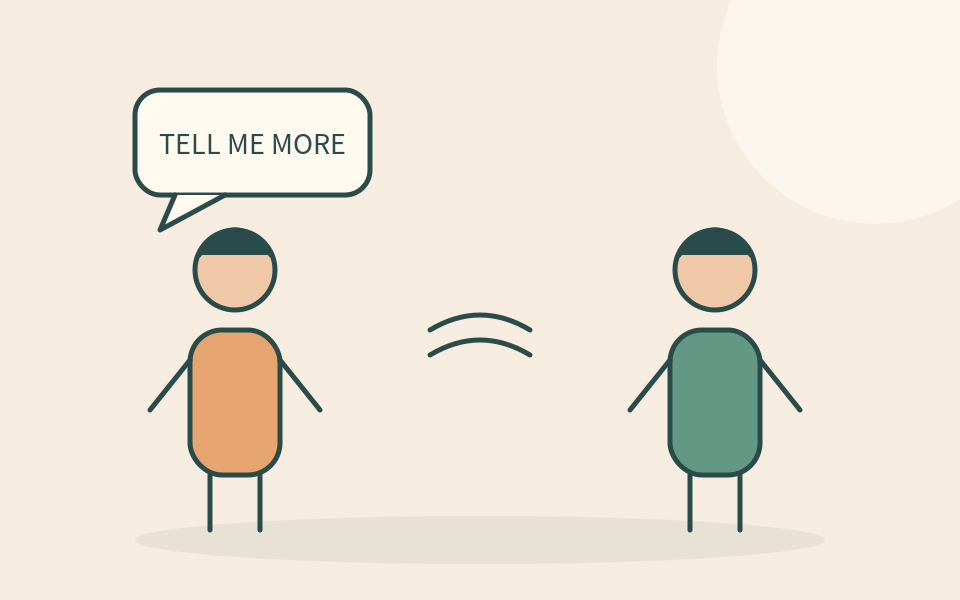
小明想我,他去了一个新的。
他说了,我就的地方。
我说:“我也一个很的!”
我了很久,小明没说话。
,我问:“你那个?”
他笑了:“我还没到呢。”
我有点,手机说:“,你先完吧。”
这次,我没有说的事。
小明说,不大,可是有一条很长的,晚上还有人。
以后,我才问了几个问题。
,我和他的很不一样。
我说:“下次你带我去吧。我才没听见这么好的地方。”
to tell
小明想告诉我,他周末去了一个新的公园。
xiǎo míng xiǎng gào sù wǒ, tā zhōu mò qù le yí gè xīn de gōng yuán.
Xiaoming wanted to tell me about a new park he had visited at the weekend.
weekend
小明想告诉我,他周末去了一个新的公园。
xiǎo míng xiǎng gào sù wǒ, tā zhōu mò qù le yí gè xīn de gōng yuán.
Xiaoming wanted to tell me about a new park he had visited at the weekend.
park
小明想告诉我,他周末去了一个新的公园。
xiǎo míng xiǎng gào sù wǒ, tā zhōu mò qù le yí gè xīn de gōng yuán.
Xiaoming wanted to tell me about a new park he had visited at the weekend.
just; a moment ago
他刚说了几句,我就想起自己以前去过的地方。
tā gāng shuō le jǐ jù, wǒ jiù xiǎng qǐ zì jǐ yǐ qián qù guò de dì fang.
After he had said only a few sentences, I thought of a place I had visited before.
a few sentences or words
他刚说了几句,我就想起自己以前去过的地方。
tā gāng shuō le jǐ jù, wǒ jiù xiǎng qǐ zì jǐ yǐ qián qù guò de dì fang.
After he had said only a few sentences, I thought of a place I had visited before.
to remember; to think of (supplemental word)
他刚说了几句,我就想起自己以前去过的地方。
tā gāng shuō le jǐ jù, wǒ jiù xiǎng qǐ zì jǐ yǐ qián qù guò de dì fang.
After he had said only a few sentences, I thought of a place I had visited before.
before; previously (supplemental word / expression)
他刚说了几句,我就想起自己以前去过的地方。
tā gāng shuō le jǐ jù, wǒ jiù xiǎng qǐ zì jǐ yǐ qián qù guò de dì fang.
After he had said only a few sentences, I thought of a place I had visited before.
to have been somewhere
他刚说了几句,我就想起自己以前去过的地方。
tā gāng shuō le jǐ jù, wǒ jiù xiǎng qǐ zì jǐ yǐ qián qù guò de dì fang.
After he had said only a few sentences, I thought of a place I had visited before.
right away (supplemental word / expression)
我马上说:“我也去过一个很好玩的公园!”
wǒ mǎ shàng shuō: "wǒ yě qù guò yí gè hěn hǎo wán de gōng yuán! "
I immediately said, “I've been to a really fun park too!”
fun; enjoyable
我马上说:“我也去过一个很好玩的公园!”
wǒ mǎ shàng shuō: "wǒ yě qù guò yí gè hěn hǎo wán de gōng yuán! "
I immediately said, “I've been to a really fun park too!”
to explain; to talk about (supplemental word / expression)
我讲了很久,小明一直没说话。
wǒ jiǎng le hěn jiǔ, xiǎo míng yì zhí méi shuō huà.
I talked for a long time, and Xiaoming stayed quiet.
continuously; all along (supplemental word / expression)
我讲了很久,小明一直没说话。
wǒ jiǎng le hěn jiǔ, xiǎo míng yì zhí méi shuō huà.
I talked for a long time, and Xiaoming stayed quiet.
later; afterwards
后来,我问:“你那个公园怎么样?”
hòu lái, wǒ wèn: "nǐ nà ge gōng yuán zěn me yàng? "
Later, I asked, “What was your park like?”
how; what something is like
后来,我问:“你那个公园怎么样?”
hòu lái, wǒ wèn: "nǐ nà ge gōng yuán zěn me yàng? "
Later, I asked, “What was your park like?”
embarrassed; sorry (a polite phrase) (supplemental word / expression)
我有点不好意思,放下手机说:“对不起,你先讲完吧。”
wǒ yǒu diǎn bù hǎo yì si, fàng xià shǒu jī shuō: "duì bù qǐ, nǐ xiān jiǎng wán ba. "
I felt a little embarrassed and put down my phone. “Sorry. Finish your story first.”
to put down (supplemental expression)
我有点不好意思,放下手机说:“对不起,你先讲完吧。”
wǒ yǒu diǎn bù hǎo yì si, fàng xià shǒu jī shuō: "duì bù qǐ, nǐ xiān jiǎng wán ba. "
I felt a little embarrassed and put down my phone. “Sorry. Finish your story first.”
sorry
我有点不好意思,放下手机说:“对不起,你先讲完吧。”
wǒ yǒu diǎn bù hǎo yì si, fàng xià shǒu jī shuō: "duì bù qǐ, nǐ xiān jiǎng wán ba. "
I felt a little embarrassed and put down my phone. “Sorry. Finish your story first.”
to be in a hurry to do something
这次,我没有急着说自己的事。
zhè cì, wǒ méi yǒu jí zhe shuō zì jǐ de shì.
This time, I didn't rush to talk about myself.
oneself; one's own (supplemental word / expression)
他刚说了几句,我就想起自己以前去过的地方。
tā gāng shuō le jǐ jù, wǒ jiù xiǎng qǐ zì jǐ yǐ qián qù guò de dì fang.
After he had said only a few sentences, I thought of a place I had visited before.
river
小明说,公园不大,可是有一条很长的河,晚上还有人唱歌。
xiǎo míng shuō, gōng yuán bú dà, kě shì yǒu yì tiáo hěn cháng de hé, wǎn shàng hái yǒu rén chàng gē.
Xiaoming said the park was small, but had a long river, and people sang there in the evenings.
to sing
小明说,公园不大,可是有一条很长的河,晚上还有人唱歌。
xiǎo míng shuō, gōng yuán bú dà, kě shì yǒu yì tiáo hěn cháng de hé, wǎn shàng hái yǒu rén chàng gē.
Xiaoming said the park was small, but had a long river, and people sang there in the evenings.
to finish listening
听完以后,我才问了几个问题。
tīng wán yǐ hòu, wǒ cái wèn le jǐ gè wèn tí.
Only after listening to the whole story did I ask a few questions.
it turns out; originally
原来,我和他去过的公园很不一样。
yuán lái, wǒ hé tā qù guò de gōng yuán hěn bù yí yàng.
It turned out the parks we had visited were quite different.
almost; nearly (supplemental word)
我说:“下次你带我去吧。我刚才差点没听见这么好的地方。”
wǒ shuō: "xià cì nǐ dài wǒ qù ba. wǒ gāng cái chà diǎn méi tīng jiàn zhè me hǎo de dì fang. "
I said, “Take me there next time. I almost missed hearing about such a nice place.”
Put 过 after a verb to say someone has had an experience. 去过 means have been somewhere; 吃过 means have eaten something.
动词后面的“过”表示以前有过这样的经历。
我去过那个公园。I have been to that park.
我今天已经吃过面条了。I have already had noodles today.
Use 才 when the next action happens only after a condition or another action. It draws attention to the delay or necessary first step.
“才”强调前面的事情发生以后,后面的事情才发生。
听完以后,我才问问题。Only after listening did I ask questions.
说清楚以后,我们才决定。We only decided after making it clear.
Turn both off to practice with Chinese only.
Answers and explanations appear after you submit.