01
上个星期,小美我吃饭。
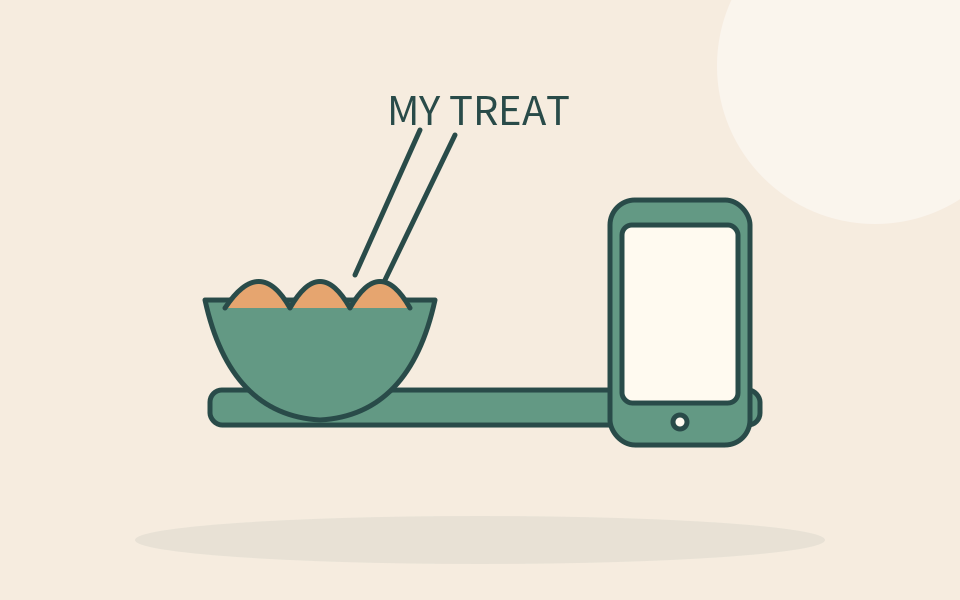
上个星期,小美我吃饭。
今天,我想她。
我们去了一家很小的,要了个菜和碗米饭。
以后,我说:“你一下,我去。”
可是我看了看,没。
小美问:“?”
我地说:“在家里。”
她笑了:“我来吧。”
我说:“,今天是我你。”
我正拿,她着我的:“你啊。”
我:“对!我今天怎么了?”
这次,我了她。
please; to invite or treat
restaurant
two (before many measure words)
to wait
can; may
to use (supplemental word / expression)
wallet (supplemental word / expression)
to bring; to carry (supplemental word / expression)
to point to (supplemental word / expression)
not okay; no (supplemental word / expression)
to finish eating
吃完以后,我说:“你等一下,我去给钱。”
chī wán yǐ hòu, wǒ shuō: "nǐ děng yí xià, wǒ qù gěi qián. "
After we finish eating, I say, “Wait a moment. I'll go and pay.”
to pay; to hand over money
吃完以后,我说:“你等一下,我去给钱。”
chī wán yǐ hòu, wǒ shuō: "nǐ děng yí xià, wǒ qù gěi qián. "
After we finish eating, I say, “Wait a moment. I'll go and pay.”
embarrassed; sorry
我不好意思地说:“钱包在家里。”
wǒ bù hǎo yì si de shuō: "qián bāo zài jiā lǐ. "
I say sheepishly, “My wallet is at home.”
to prepare; to plan
我正准备回家拿,她指着我的手机:“你可以用手机给钱啊。”
wǒ zhèng zhǔn bèi huí jiā ná, tā zhǐ zhe wǒ de shǒu jī: "nǐ kě yǐ yòng shǒu jī gěi qián a. "
Just as I'm getting ready to go home for it, she points to my phone. “You can pay with your phone.”
to go home; to return home
我正准备回家拿,她指着我的手机:“你可以用手机给钱啊。”
wǒ zhèng zhǔn bèi huí jiā ná, tā zhǐ zhe wǒ de shǒu jī: "nǐ kě yǐ yòng shǒu jī gěi qián a. "
Just as I'm getting ready to go home for it, she points to my phone. “You can pay with your phone.”
to pick up
我拿起手机:“对!我今天怎么忘了?”
wǒ ná qǐ shǒu jī: "duì! wǒ jīn tiān zěn me wàng le? "
I pick up my phone. “Right! How did I forget that today?”
mobile phone; cell phone
我正准备回家拿,她指着我的手机:“你可以用手机给钱啊。”
wǒ zhèng zhǔn bèi huí jiā ná, tā zhǐ zhe wǒ de shǒu jī: "nǐ kě yǐ yòng shǒu jī gěi qián a. "
Just as I'm getting ready to go home for it, she points to my phone. “You can pay with your phone.”
to forget
我拿起手机:“对!我今天怎么忘了?”
wǒ ná qǐ shǒu jī: "duì! wǒ jīn tiān zěn me wàng le? "
I pick up my phone. “Right! How did I forget that today?”
really; truly
这次,我真的请了她。
zhè cì, wǒ zhēn de qǐng le tā.
This time, I really do treat her.
what’s wrong?; what happened?
小美问:“怎么了?”
xiǎo měi wèn: "zěn me le? "
Xiaomei asks, “What's wrong?”
可以 often gives permission or says an action is possible. 能 often describes ability or whether circumstances allow it.
“可以”常表示允许或可行;“能”常表示能力或条件允许。
我可以用手机给钱。I can pay with my phone.
我现在能说汉语了。I can speak Chinese now.
Put 以后 after an action or time to say what happens afterward.
“以后”放在动作或时间后,说明之后发生的事情。
吃完以后,我们看电影。After eating, we watch a film.
下课以后,我回家。After class, I go home.
Turn both off to practice with Chinese only.
Answers and explanations appear after you submit.