01
昨天,我去朋友家吃饭。
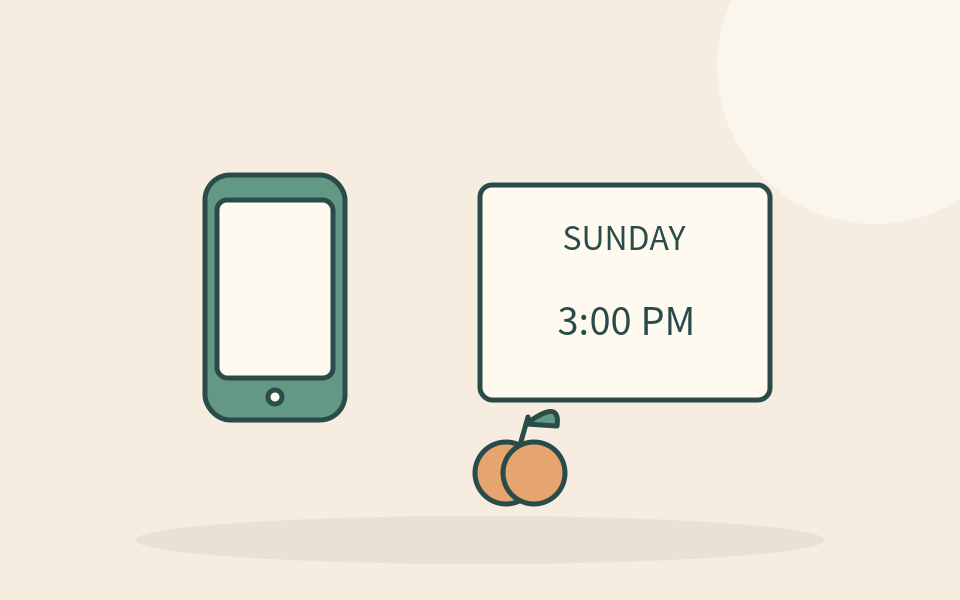
昨天,我去朋友家吃饭。
吃完以后,他说:“再来玩!”
我很高兴,问:“吗?”
他笑了:“我要,星期日吧。”
今天,我问:“他说‘’,不是?”
说:“‘’没有说是,你再问他。”
以后,我给朋友:“星期日下午三点吗?”
他说:“,我在家你。”
这次我什么去了。
我在上,还写了:“一点。”
tomorrow
to go to work; to work
can; may
to wait
fruit
next time (supplemental word / expression)
which day (supplemental word / expression)
to bring; to carry (supplemental word / expression)
to finish writing; to write and have ready (supplemental word / expression)
to attend or teach a class
今天上课,我问老师:“他说‘下次’,为什么不是明天?”
jīn tiān shàng kè, wǒ wèn lǎo shī: "tā shuō'xià cì', wèi shén me bú shì míng tiān? "
In class today, I ask the teacher, “He said ‘next time.’ Why doesn't that mean tomorrow?”
to finish class; class ends
下课以后,我给朋友打电话:“星期日下午三点可以吗?”
xià kè yǐ hòu, wǒ gěi péng yǒu dǎ diàn huà: "xīng qī rì xià wǔ sān diǎn kě yǐ ma? "
After class, I call my friend. “Would three on Sunday afternoon be okay?”
teacher
今天上课,我问老师:“他说‘下次’,为什么不是明天?”
jīn tiān shàng kè, wǒ wèn lǎo shī: "tā shuō'xià cì', wèi shén me bú shì míng tiān? "
In class today, I ask the teacher, “He said ‘next time.’ Why doesn't that mean tomorrow?”
why
今天上课,我问老师:“他说‘下次’,为什么不是明天?”
jīn tiān shàng kè, wǒ wèn lǎo shī: "tā shuō'xià cì', wèi shén me bú shì míng tiān? "
In class today, I ask the teacher, “He said ‘next time.’ Why doesn't that mean tomorrow?”
to know a fact
这次我知道什么时候去了。
zhè cì wǒ zhī dào shén me shí hou qù le.
This time, I know when I'm going.
time; moment
这次我知道什么时候去了。
zhè cì wǒ zhī dào shén me shí hou qù le.
This time, I know when I'm going.
to make a phone call
下课以后,我给朋友打电话:“星期日下午三点可以吗?”
xià kè yǐ hòu, wǒ gěi péng yǒu dǎ diàn huà: "xīng qī rì xià wǔ sān diǎn kě yǐ ma? "
After class, I call my friend. “Would three on Sunday afternoon be okay?”
time
我在手机上写好时间,还写了一句话:“带一点水果。”
wǒ zài shǒu jī shàng xiě hǎo shí jiān, hái xiě le yí jù huà: "dài yì diǎn shuǐ guǒ. "
I write the time on my phone and add a note: “Bring some fruit.”
mobile phone; cell phone
我在手机上写好时间,还写了一句话:“带一点水果。”
wǒ zài shǒu jī shàng xiě hǎo shí jiān, hái xiě le yí jù huà: "dài yì diǎn shuǐ guǒ. "
I write the time on my phone and add a note: “Bring some fruit.”
one sentence; something someone says
我在手机上写好时间,还写了一句话:“带一点水果。”
wǒ zài shǒu jī shàng xiě hǎo shí jiān, hái xiě le yí jù huà: "dài yì diǎn shuǐ guǒ. "
I write the time on my phone and add a note: “Bring some fruit.”
再 can put an action at a later time or indicate a planned repetition. Use context to distinguish the two.
“再”可以表示以后做某事,也可以表示计划再做一次,具体意思看语境。
明天再洗吧。Wash it tomorrow.
下次再来。Come again next time.
可以 often gives permission or says an action is possible. 能 often describes ability or whether circumstances allow it.
“可以”常表示允许或可行;“能”常表示能力或条件允许。
我可以用手机给钱。I can pay with my phone.
我现在能说汉语了。I can speak Chinese now.
Turn both off to practice with Chinese only.
Answers and explanations appear after you submit.