01
小美是我的汉语老师。
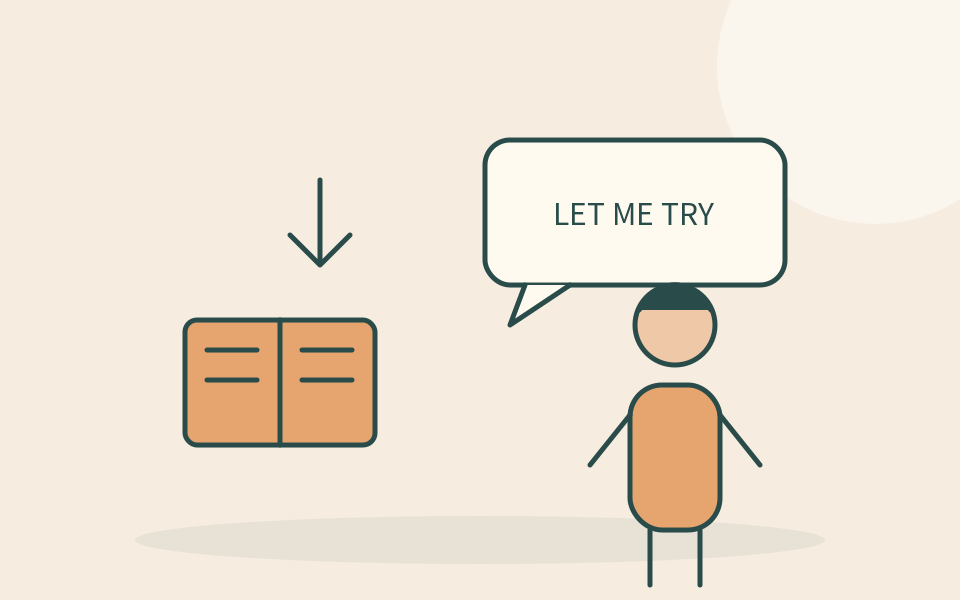
小美是我的汉语老师。
今天的课时,她问我:“下次,你能不能用汉语讲一个自己的?”
我说:“,我还没有。”
她问:“你想讲什么?”
我说:“第一次一个人。可是词我不会,也怕。”
她说:“先讲你会说的。不会的词,我们一起找。”
回家以后,我写了十句话。
再看,有三句太长,就把它们了。
我读了,还是觉得地方不。
上课的时候,小美让我。
我讲得很慢,还想了几次。
讲完以后,她笑着说:“我了,也想知道了什么。”
我,了才可以。
现在觉得,先试试,也是在做准备。
下一次,我想把后面的也她听。
to be ready; to finish preparing
我马上说:“不行,我还没有准备好。”
wǒ mǎ shàng shuō: "bù xíng, wǒ hái méi yǒu zhǔn bèi hǎo. "
I immediately said, “No, I'm not ready yet.”
to be nearly finished
今天的课快结束时,她问我:“下次,你能不能用汉语讲一个自己的故事?”
jīn tiān de kè kuài jié shù shí, tā wèn wǒ: "xià cì, nǐ néng bu néng yòng hàn yǔ jiǎng yí gè zì jǐ de gù shì? "
Near the end of today's class, she asked, “Next time, could you tell a story about yourself in Chinese?”
story
今天的课快结束时,她问我:“下次,你能不能用汉语讲一个自己的故事?”
jīn tiān de kè kuài jié shù shí, tā wèn wǒ: "xià cì, nǐ néng bu néng yòng hàn yǔ jiǎng yí gè zì jǐ de gù shì? "
Near the end of today's class, she asked, “Next time, could you tell a story about yourself in Chinese?”
right away
我马上说:“不行,我还没有准备好。”
wǒ mǎ shàng shuō: "bù xíng, wǒ hái méi yǒu zhǔn bèi hǎo. "
I immediately said, “No, I'm not ready yet.”
not okay; no
我马上说:“不行,我还没有准备好。”
wǒ mǎ shàng shuō: "bù xíng, wǒ hái méi yǒu zhǔn bèi hǎo. "
I immediately said, “No, I'm not ready yet.”
to travel; a trip (supplemental word)
我说:“第一次一个人旅行。可是有些词我不会,也怕说错。”
wǒ shuō: "dì yī cì yí gè rén lǚ xíng. kě shì yǒu xiē cí wǒ bú huì, yě pà shuō cuò. "
I said, “The first time I travelled on my own. But there are words I don't know, and I'm afraid of making mistakes.”
some
我说:“第一次一个人旅行。可是有些词我不会,也怕说错。”
wǒ shuō: "dì yī cì yí gè rén lǚ xíng. kě shì yǒu xiē cí wǒ bú huì, yě pà shuō cuò. "
I said, “The first time I travelled on my own. But there are words I don't know, and I'm afraid of making mistakes.”
to say something incorrectly
我说:“第一次一个人旅行。可是有些词我不会,也怕说错。”
wǒ shuō: "dì yī cì yí gè rén lǚ xíng. kě shì yǒu xiē cí wǒ bú huì, yě pà shuō cuò. "
I said, “The first time I travelled on my own. But there are words I don't know, and I'm afraid of making mistakes.”
part; section (supplemental word)
她说:“先讲你会说的部分。不会的词,我们一起找。”
tā shuō: "xiān jiǎng nǐ huì shuō de bù fen. bú huì de cí, wǒ men yì qǐ zhǎo. "
She said, “Start with the parts you can say. We'll look for the words you don't know together.”
the next day
第二天再看,发现有三句太长,就把它们改短了。
dì èr tiān zài kàn, fā xiàn yǒu sān jù tài cháng, jiù bǎ tā men gǎi duǎn le.
When I looked at them the next day, I noticed three were too long, so I shortened them.
to discover; to notice
第二天再看,发现有三句太长,就把它们改短了。
dì èr tiān zài kàn, fā xiàn yǒu sān jù tài cháng, jiù bǎ tā men gǎi duǎn le.
When I looked at them the next day, I noticed three were too long, so I shortened them.
to make shorter (supplemental expression)
第二天再看,发现有三句太长,就把它们改短了。
dì èr tiān zài kàn, fā xiàn yǒu sān jù tài cháng, jiù bǎ tā men gǎi duǎn le.
When I looked at them the next day, I noticed three were too long, so I shortened them.
several times through
我读了几遍,还是觉得有些地方不自然。
wǒ dú le jǐ biàn, hái shì jué de yǒu xiē dì fang bú zì rán.
I read them several times but still felt some parts sounded unnatural.
natural
我读了几遍,还是觉得有些地方不自然。
wǒ dú le jǐ biàn, hái shì jué de yǒu xiē dì fang bú zì rán.
I read them several times but still felt some parts sounded unnatural.
to start; to begin
上课的时候,小美让我开始。
shàng kè de shí hou, xiǎo měi ràng wǒ kāi shǐ.
During class, Xiaomei asked me to begin.
in the middle; during
我讲得很慢,中间还停下来想了几次。
wǒ jiǎng de hěn màn, zhōng jiān hái tíng xià lái xiǎng le jǐ cì.
I spoke slowly and stopped a few times to think.
to stop what one is doing
我讲得很慢,中间还停下来想了几次。
wǒ jiǎng de hěn màn, zhōng jiān hái tíng xià lái xiǎng le jǐ cì.
I spoke slowly and stopped a few times to think.
to understand what one hears
讲完以后,她笑着说:“我听懂了,也想知道后来发生了什么。”
jiǎng wán yǐ hòu, tā xiào zhe shuō: "wǒ tīng dǒng le, yě xiǎng zhī dào hòu lái fā shēng le shén me. "
When I finished, she smiled and said, “I understood, and I want to know what happened afterwards too.”
later; afterwards
讲完以后,她笑着说:“我听懂了,也想知道后来发生了什么。”
jiǎng wán yǐ hòu, tā xiào zhe shuō: "wǒ tīng dǒng le, yě xiǎng zhī dào hòu lái fā shēng le shén me. "
When I finished, she smiled and said, “I understood, and I want to know what happened afterwards too.”
to happen (supplemental word)
讲完以后,她笑着说:“我听懂了,也想知道后来发生了什么。”
jiǎng wán yǐ hòu, tā xiào zhe shuō: "wǒ tīng dǒng le, yě xiǎng zhī dào hòu lái fā shēng le shén me. "
When I finished, she smiled and said, “I understood, and I want to know what happened afterwards too.”
originally; at first (supplemental word)
我本来以为,准备好了才可以开口。
wǒ běn lái yǐ wéi, zhǔn bèi hǎo le cái kě yǐ kāi kǒu.
I used to think I had to be ready before I could start speaking.
to believe mistakenly; to suppose
我本来以为,准备好了才可以开口。
wǒ běn lái yǐ wéi, zhǔn bèi hǎo le cái kě yǐ kāi kǒu.
I used to think I had to be ready before I could start speaking.
to start speaking (supplemental expression)
我本来以为,准备好了才可以开口。
wǒ běn lái yǐ wéi, zhǔn bèi hǎo le cái kě yǐ kāi kǒu.
I used to think I had to be ready before I could start speaking.
to tell something to someone
下一次,我想把后面的故事也讲给她听。
xià yí cì, wǒ xiǎng bǎ hòu miàn de gù shì yě jiǎng gěi tā tīng.
Next time, I want to tell her the rest of the story too.
Use "还没有" to say that something has not happened yet. It leaves open the possibility that it will happen later.
“还没有”表示到现在还没发生,以后可能会发生。
我还没有准备好。I am not ready yet.
我还没讲完这个故事。I have not finished telling this story yet.
Use "才" to show that an action depends on something happening first. The learner originally believed that being fully ready had to come before speaking.
“才”可以表示前面的事情发生以后,后面的事情才能发生。
准备好了才可以开口。Only after getting ready can I start speaking.
写完以后,我才休息。I only rest after finishing the writing.
Turn both off to practice with Chinese only.
Answers and explanations appear after you submit.