01
小美我去她家,我一张。
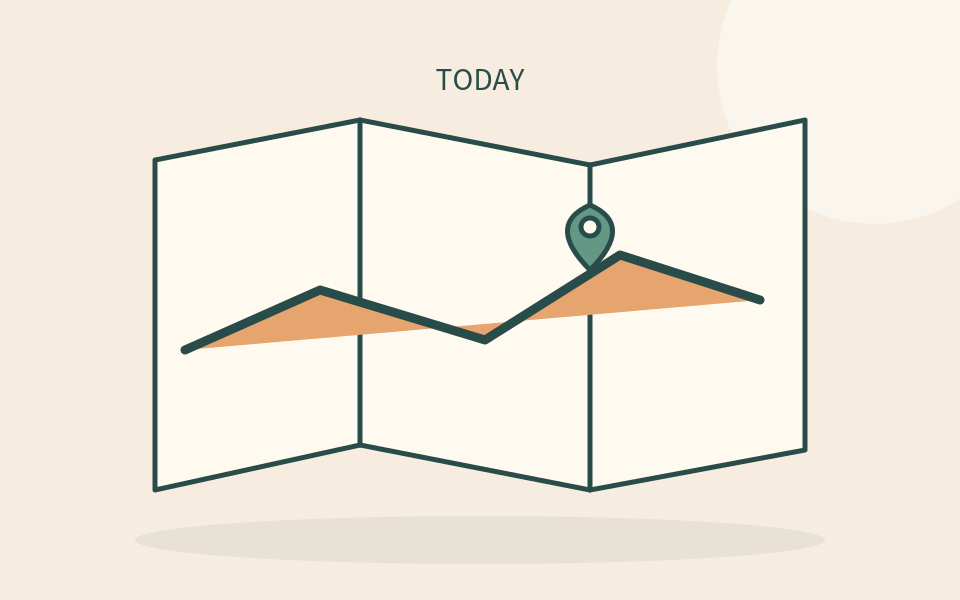
小美我去她家,我一张。
我看见路上有一家,就想先去那里看看。
出了,我走,可是没。
我给小美打电话:“旁边是不是有一家?”
她说:“有,现在那里是一家。”
我问:“那呢?”
她了一会儿,说:“也了。,这是我的。”
我笑了:“上你的家还没搬。”
她说:“对!你站在别走,我下来找你。”
以后,我们一起。
小美给我了杯茶,又拿来一张。
我问:“你做什么?”
她说:“一张新。”
我说:“先写今天的吧。我来,再问问你有没有。”
map (supplemental word)
小美请我去她家,发给我一张地图。
xiǎo měi qǐng wǒ qù tā jiā, fā gěi wǒ yì zhāng dì tú.
Xiaomei invited me to her home and sent me a map.
bookshop (书 + 店)
我看见路上有一家书店,就想先去那里看看。
wǒ kàn jiàn lù shang yǒu yì jiā shū diàn, jiù xiǎng xiān qù nà lǐ kàn kan.
I saw a bookshop along the route and wanted to visit it first.
metro station
出了地铁站,我按照地图走,可是一直没找到书店。
chū le dì tiě zhàn, wǒ àn zhào dì tú zǒu, kě shì yì zhí méi zhǎo dào shū diàn.
After leaving the metro station, I followed the map, but still couldn't find the bookshop.
according to; following (supplemental word)
出了地铁站,我按照地图走,可是一直没找到书店。
chū le dì tiě zhàn, wǒ àn zhào dì tú zǒu, kě shì yì zhí méi zhǎo dào shū diàn.
After leaving the metro station, I followed the map, but still couldn't find the bookshop.
bank
我给小美打电话:“书店旁边是不是有一家银行?”
wǒ gěi xiǎo měi dǎ diàn huà: "shū diàn páng biān shì bu shì yǒu yì jiā yín háng? "
I called Xiaomei. “Is there a bank next to the bookshop?”
supermarket
她说:“以前有,现在那里是一家超市。”
tā shuō: "yǐ qián yǒu, xiàn zài nà lǐ shì yì jiā chāo shì. "
She said, “There used to be. There's a supermarket there now.”
quiet
她安静了一会儿,说:“也搬走了。不好意思,这是我以前画的地图。”
tā ān jìng le yí huì er, shuō: "yě bān zǒu le. bù hǎo yì si, zhè shì wǒ yǐ qián huà de dì tú. "
She was quiet for a moment, then said, “It's moved away too. Sorry, this is a map I drew a while ago.”
to move away
她安静了一会儿,说:“也搬走了。不好意思,这是我以前画的地图。”
tā ān jìng le yí huì er, shuō: "yě bān zǒu le. bù hǎo yì si, zhè shì wǒ yǐ qián huà de dì tú. "
She was quiet for a moment, then said, “It's moved away too. Sorry, this is a map I drew a while ago.”
embarrassed; sorry (a polite phrase)
她安静了一会儿,说:“也搬走了。不好意思,这是我以前画的地图。”
tā ān jìng le yí huì er, shuō: "yě bān zǒu le. bù hǎo yì si, zhè shì wǒ yǐ qián huà de dì tú. "
She was quiet for a moment, then said, “It's moved away too. Sorry, this is a map I drew a while ago.”
before; previously
她说:“以前有,现在那里是一家超市。”
tā shuō: "yǐ qián yǒu, xiàn zài nà lǐ shì yì jiā chāo shì. "
She said, “There used to be. There's a supermarket there now.”
to draw; a picture
她安静了一会儿,说:“也搬走了。不好意思,这是我以前画的地图。”
tā ān jìng le yí huì er, shuō: "yě bān zǒu le. bù hǎo yì si, zhè shì wǒ yǐ qián huà de dì tú. "
She was quiet for a moment, then said, “It's moved away too. Sorry, this is a map I drew a while ago.”
only; there is only
我笑了:“地图上只有你的家还没搬。”
wǒ xiào le: "dì tú shàng zhǐ yǒu nǐ de jiā hái méi bān. "
I laughed. “Your home is the only place on the map that hasn't moved.”
entrance; doorway
她说:“对!你站在超市门口别走,我下来找你。”
tā shuō: "duì! nǐ zhàn zài chāo shì mén kǒu bié zǒu, wǒ xià lái zhǎo nǐ. "
She said, “That's right! Stay at the supermarket entrance. I'll come down and find you.”
to meet
见面以后,我们一起上楼。
jiàn miàn yǐ hòu, wǒ men yì qǐ shàng lóu.
After we met, we went upstairs together.
to go upstairs
见面以后,我们一起上楼。
jiàn miàn yǐ hòu, wǒ men yì qǐ shàng lóu.
After we met, we went upstairs together.
to pour (a drink, in this story)
小美给我倒了杯茶,又拿来一张纸。
xiǎo měi gěi wǒ dào le bēi chá, yòu ná lái yì zhāng zhǐ.
Xiaomei poured me a cup of tea and brought over a sheet of paper.
paper
小美给我倒了杯茶,又拿来一张纸。
xiǎo měi gěi wǒ dào le bēi chá, yòu ná lái yì zhāng zhǐ.
Xiaomei poured me a cup of tea and brought over a sheet of paper.
date (supplemental word)
我说:“先写今天的日期吧。下次我来以前,再问问你有没有变化。”
wǒ shuō: "xiān xiě jīn tiān de rì qī ba. xià cì wǒ lái yǐ qián, zài wèn wèn nǐ yǒu méi yǒu biàn huà. "
I said, “Write today's date first. Before I come next time, I'll ask you whether anything has changed.”
change
我说:“先写今天的日期吧。下次我来以前,再问问你有没有变化。”
wǒ shuō: "xiān xiě jīn tiān de rì qī ba. xià cì wǒ lái yǐ qián, zài wèn wèn nǐ yǒu méi yǒu biàn huà. "
I said, “Write today's date first. Before I come next time, I'll ask you whether anything has changed.”
next time
我说:“先写今天的日期吧。下次我来以前,再问问你有没有变化。”
wǒ shuō: "xiān xiě jīn tiān de rì qī ba. xià cì wǒ lái yǐ qián, zài wèn wèn nǐ yǒu méi yǒu biàn huà. "
I said, “Write today's date first. Before I come next time, I'll ask you whether anything has changed.”
to find successfully
出了地铁站,我按照地图走,可是一直没找到书店。
chū le dì tiě zhàn, wǒ àn zhào dì tú zǒu, kě shì yì zhí méi zhǎo dào shū diàn.
After leaving the metro station, I followed the map, but still couldn't find the bookshop.
continuously; all along
出了地铁站,我按照地图走,可是一直没找到书店。
chū le dì tiě zhàn, wǒ àn zhào dì tú zǒu, kě shì yì zhí méi zhǎo dào shū diàn.
After leaving the metro station, I followed the map, but still couldn't find the bookshop.
to send to someone
小美请我去她家,发给我一张地图。
xiǎo měi qǐng wǒ qù tā jiā, fā gěi wǒ yì zhāng dì tú.
Xiaomei invited me to her home and sent me a map.
please; to invite
小美请我去她家,发给我一张地图。
xiǎo měi qǐng wǒ qù tā jiā, fā gěi wǒ yì zhāng dì tú.
Xiaomei invited me to her home and sent me a map.
Place "以前" or "以后" after an event to say before or after that event. In the story, the next visit is the event used with "以前".
“以前”或“以后”放在一件事的后面,表示这件事之前或之后。
见面以后,我们一起上楼。After meeting, we go upstairs together.
下次我来以前,先给你打电话。Before I visit next time, I will call you first.
Use "别" to tell someone not to do something. In this story it is a friendly instruction to stay where they are.
“别+动词”表示请对方不要做某件事。
你站在门口别走。Stay at the entrance; do not leave.
别忘了写日期。Do not forget to write the date.
Turn both off to practice with Chinese only.
Answers and explanations appear after you submit.