01
今天,我们在。
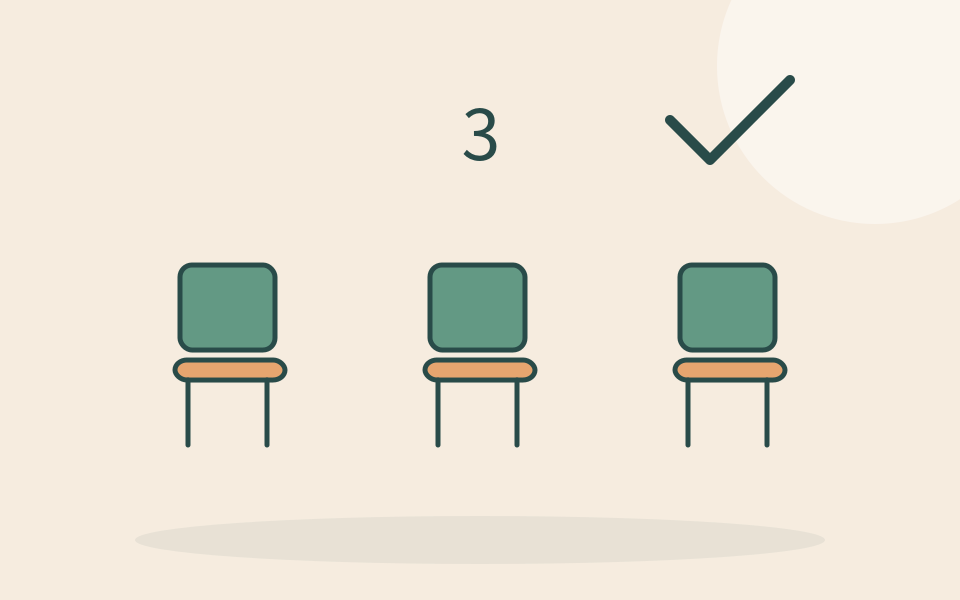
今天,我们在。
三个,。
我和小明了,小美没。
老师:“。”
我去看,一小。
我来了:“小美,!”
现在,我们了。
student
chair
two, used before measure words (extension word: classic HSK2)
measure word for chairs (extension use)
to take; to bring (extension word: classic HSK3)
behind; back
to have; there is
all; both
please; to invite
to say (supplemental form related to 说话)
school
今天,我们在学校学习汉语。
Jīntiān, wǒmen zài xuéxiào xuéxí Hànyǔ.
Today, we study Chinese at school.
to study; to learn
今天,我们在学校学习汉语。
Jīntiān, wǒmen zài xuéxiào xuéxí Hànyǔ.
Today, we study Chinese at school.
Chinese language
今天,我们在学校学习汉语。
Jīntiān, wǒmen zài xuéxiào xuéxí Hànyǔ.
Today, we study Chinese at school.
here; similar in meaning to 这儿
这里有三个学生,两把椅子。
Zhè lǐ yǒu sān gè xuésheng, liǎng bǎ yǐzi.
There are three students and two chairs here.
there
我去看,那里有一把小椅子。
Wǒ qù kàn, nà lǐ yǒu yì bǎ xiǎo yǐzi.
I go and look. There is a small chair there.
to sit; to travel by
我和小明坐了,小美没有椅子。
Wǒ hé Xiǎomíng zuò le, Xiǎoměi méiyǒu yǐzi.
Xiaoming and I sit down. Xiaomei does not have a chair.
Use 有 to say something is present in a place. Use 没有 to say it is absent.
地点后用“有”或“没有”,说明那里有什么或没有什么。
桌子上有书。There is a book on the table.
家里没有苹果。There are no apples at home.
都 comes after the people or things it refers to and before the action or description.
“都”放在所说的人或事物之后、动作或描述之前。
我们都喜欢汉语。We all like Chinese.
爸爸和妈妈都在家。My father and mother are both at home.
Turn both off to practice with Chinese only.
Answers and explanations appear after you submit.