01
晚上,我想给爸爸,可是。
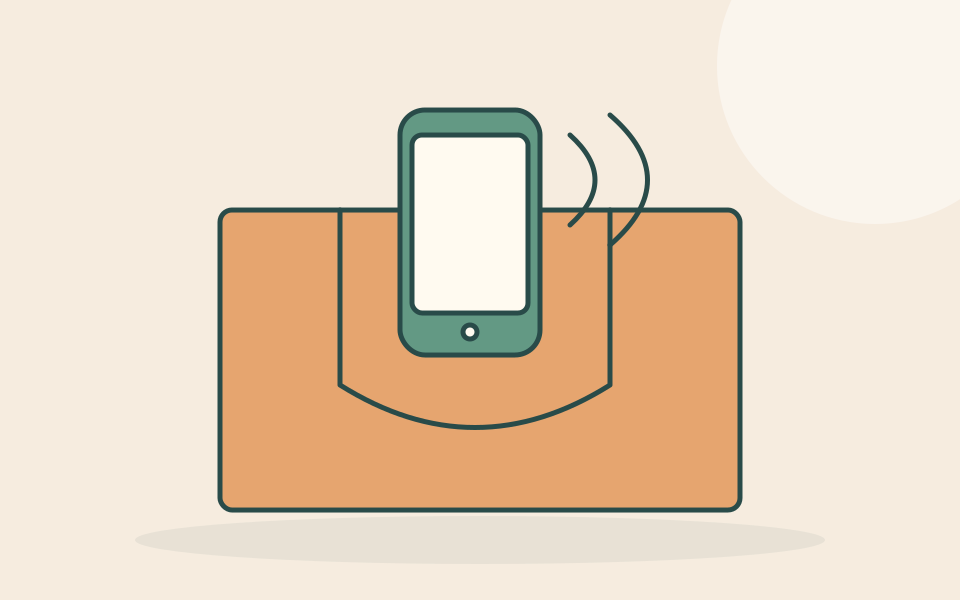
晚上,我想给爸爸,可是。
我问妈妈:“你我的了吗?”
她说:“你下午不是在里吗?”
我看了上,也看了床上,都没有。
我去,没到。
妈妈说:“我给你打个电话吧。”
电话了,我很。
我看看,看看椅子。
妈妈着我的:“你看看这里。”
就在我的里。
我笑了:“我,了十的!”
mobile phone
room
to look for
near
from; distance from
to use (supplemental word / expression)
pocket (supplemental word / expression)
living room (supplemental word / expression)
to ring; to make a sound (supplemental word / expression)
sound; voice (supplemental word / expression)
to point to (supplemental word / expression)
to make a phone call
晚上,我想给爸爸打电话,可是找不到手机。
wǎn shàng, wǒ xiǎng gěi bà ba dǎ diàn huà, kě shì zhǎo bú dào shǒu jī.
In the evening, I want to call my father, but I can't find my phone.
cannot find
晚上,我想给爸爸打电话,可是找不到手机。
wǎn shàng, wǒ xiǎng gěi bà ba dǎ diàn huà, kě shì zhǎo bú dào shǒu jī.
In the evening, I want to call my father, but I can't find my phone.
to see
我问妈妈:“你看见我的手机了吗?”
wǒ wèn mā ma: "nǐ kàn jiàn wǒ de shǒu jī le ma? "
I ask my mother, “Have you seen my phone?”
table; desk
我看了桌子上,也看了床上,都没有。
wǒ kàn le zhuō zi shàng, yě kàn le chuáng shàng, dōu méi yǒu.
I look on the table and on the bed. It's in neither place.
clothing
妈妈指着我的衣服:“你看看这里。”
mā ma zhǐ zhe wǒ de yī fu: "nǐ kàn kan zhè lǐ. "
My mother points to my clothes. “Look here.”
minute
我笑了:“我带着手机,找了十分钟的手机!”
wǒ xiào le: "wǒ dài zhe shǒu jī, zhǎo le shí fēn zhōng de shǒu jī! "
I laugh. “I've been carrying my phone while looking for it for ten minutes!”
again
我又去客厅找,还是没找到。
wǒ yòu qù kè tīng zhǎo, hái shì méi zhǎo dào.
I go to the living room to look again, but still don't find it.
still; or
我又去客厅找,还是没找到。
wǒ yòu qù kè tīng zhǎo, hái shì méi zhǎo dào.
I go to the living room to look again, but still don't find it.
to have or carry something with you
我笑了:“我带着手机,找了十分钟的手机!”
wǒ xiào le: "wǒ dài zhe shǒu jī, zhǎo le shí fēn zhōng de shǒu jī! "
I laugh. “I've been carrying my phone while looking for it for ten minutes!”
to have used
她说:“你下午不是在房间里用过吗?”
tā shuō: "nǐ xià wǔ bú shì zài fáng jiān lǐ yòng guò ma? "
She says, “Didn't you use it in your room this afternoon?”
过 after a verb says someone has had that experience. Use 没有 before the verb for a negative experience.
动词后的“过”表示有过某种经历;否定用“没有 + 动词 + 过”。
我吃过这个菜。I have tried this dish.
我没有去过北京。I have never been to Beijing.
又 often describes something that has happened again. 再 often asks for or plans another repetition.
“又”常说明动作再次发生;“再”常用于打算或请求再做一次。
他又来了。He has come again.
请再说一遍。Please say it again.
Turn both off to practice with Chinese only.
Answers and explanations appear after you submit.