01
我的太小了,今天妈妈带我去买。
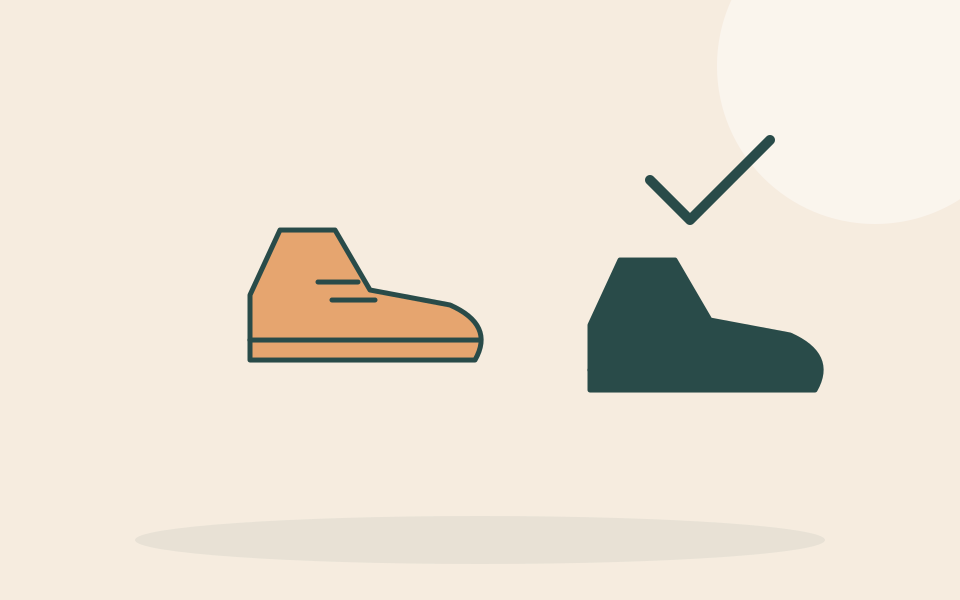
我的太小了,今天妈妈带我去买。
我看见一的,。
妈妈说:“先。”
我红,走了几步:“有小。”
商店里的人又一的,的大。
我黑,走得很。
可是,我还想买的。
妈妈问:“你想看它,它?”
我想了想,买了的。
回家的路上,我走得妈妈快。
妈妈说:“吧?”
我说:“,很!”
red (红 + 色) (supplemental word / expression)
black (黑 + 色) (supplemental word / expression)
to wear; to put on
new
than; used for comparison
shoe (supplemental word / expression)
measure word for pairs (supplemental word / expression)
comfortable (supplemental word / expression)
and also; moreover (supplemental word / expression)
very; extremely
我看见一双红色的鞋,非常喜欢。
wǒ kàn jiàn yì shuāng hóng sè de xié, fēi cháng xǐ huan.
I see a pair of red shoes and really like them.
to like
我看见一双红色的鞋,非常喜欢。
wǒ kàn jiàn yì shuāng hóng sè de xié, fēi cháng xǐ huan.
I see a pair of red shoes and really like them.
to put on
妈妈说:“先穿上走一走。”
mā ma shuō: "xiān chuān shàng zǒu yi zǒu. "
My mother says, “Put them on and walk around first.”
still; or
妈妈问:“你想每天看它,还是每天穿它?”
mā ma wèn: "nǐ xiǎng měi tiān kàn tā, hái shì měi tiān chuān tā? "
My mother asks, “Do you want to look at them every day or wear them every day?”
a little; a bit
我穿上红鞋,走了几步:“有一点小。”
wǒ chuān shàng hóng xié, zǒu le jǐ bù: "yǒu yì diǎn xiǎo. "
I put on the red shoes and take a few steps. “They're a little small.”
every day
妈妈问:“你想每天看它,还是每天穿它?”
mā ma wèn: "nǐ xiǎng měi tiān kàn tā, hái shì měi tiān chuān tā? "
My mother asks, “Do you want to look at them every day or wear them every day?”
good-looking; nice to look at
我说:“不错,而且很好看!”
wǒ shuō: "bú cuò, ér qiě hěn hǎo kàn! "
I say, “Yes, and they look good too!”
not bad; pretty good
妈妈说:“新鞋不错吧?”
mā ma shuō: "xīn xié bú cuò ba? "
My mother says, “The new shoes are pretty good, aren't they?”
to bring here
商店里的人又拿来一双黑色的,比红色的大一点。
shāng diàn lǐ de rén yòu ná lái yì shuāng hēi sè de, bǐ hóng sè de dà yì diǎn.
The shop assistant brings another pair, in black. They're a little bigger than the red ones.
to walk around a little
妈妈说:“先穿上走一走。”
mā ma shuō: "xiān chuān shàng zǒu yi zǒu. "
My mother says, “Put them on and walk around first.”
Put 比 between the two things being compared, then add the description. Do not add 很 directly before the adjective in this basic pattern.
先说两个人或事物,再用形容词说明比较结果。这个基本句型中,形容词前不直接加“很”。
他比我高。He is taller than me.
这杯咖啡比那杯大。This cup of coffee is bigger than that one.
This pattern emphasizes a description. In these stories it often means more than is suitable, such as too small or too late.
“太……了”强调程度,在这些故事里常表示超过合适的程度。
这双鞋太小了。These shoes are too small.
现在太晚了。It is too late now.
Turn both off to practice with Chinese only.
Answers and explanations appear after you submit.