01
今天以后,我去买菜。
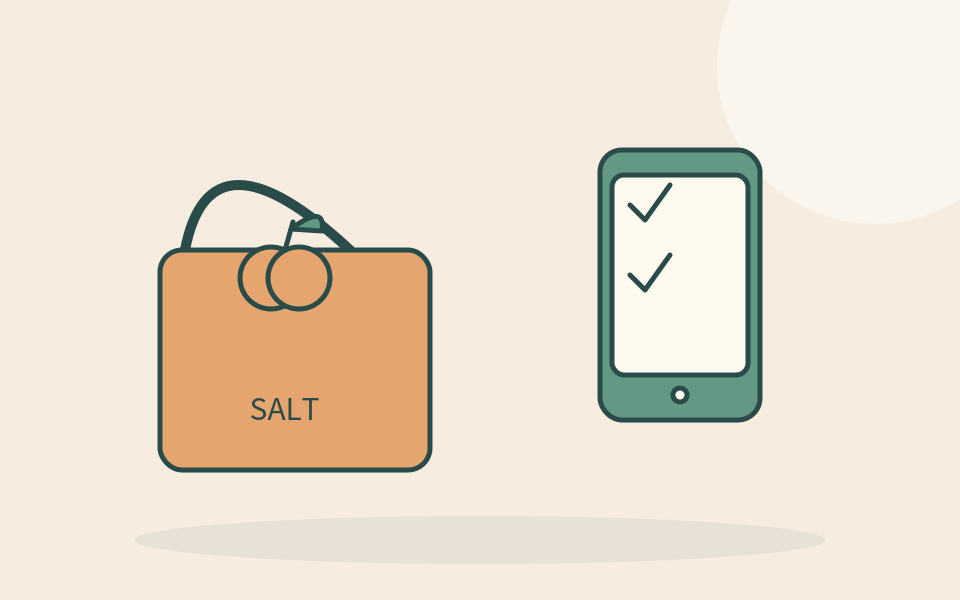
今天以后,我去买菜。
前,我把要买的都写在手机里:、、苹果和。
进了,我看见正在,就先拿了两袋。
后来又看见的,我也买了一些。
回家的时候,很,我今天买得很不错。
小明来我家吃饭,问:“你买了吗?”
我手机,才没买,也没买。
小明看着桌上的,笑了:“你是买的吗?”
我说:“写好了,可是进以后,我也没看。”
第二天,我又去了。
这次,买一样,我就在手机上做一个。
只买了的,多了,也没有再。
to finish work; to get off work
今天下班以后,我去买菜。
jīn tiān xià bān yǐ hòu, wǒ qù mǎi cài.
After work today, I went to buy groceries.
to leave home (supplemental word / expression)
出门前,我把要买的东西都写在手机里:鸡蛋、牛奶、苹果和盐。
chū mén qián, wǒ bǎ yào mǎi de dōng xi dōu xiě zài shǒu jī lǐ: jī dàn, niú nǎi, píng guǒ hé yán.
Before leaving, I wrote everything I needed on my phone: eggs, milk, apples and salt.
egg
出门前,我把要买的东西都写在手机里:鸡蛋、牛奶、苹果和盐。
chū mén qián, wǒ bǎ yào mǎi de dōng xi dōu xiě zài shǒu jī lǐ: jī dàn, niú nǎi, píng guǒ hé yán.
Before leaving, I wrote everything I needed on my phone: eggs, milk, apples and salt.
milk
出门前,我把要买的东西都写在手机里:鸡蛋、牛奶、苹果和盐。
chū mén qián, wǒ bǎ yào mǎi de dōng xi dōu xiě zài shǒu jī lǐ: jī dàn, niú nǎi, píng guǒ hé yán.
Before leaving, I wrote everything I needed on my phone: eggs, milk, apples and salt.
salt (supplemental word)
出门前,我把要买的东西都写在手机里:鸡蛋、牛奶、苹果和盐。
chū mén qián, wǒ bǎ yào mǎi de dōng xi dōu xiě zài shǒu jī lǐ: jī dàn, niú nǎi, píng guǒ hé yán.
Before leaving, I wrote everything I needed on my phone: eggs, milk, apples and salt.
supermarket
进了超市,我看见面包正在打折,就先拿了两袋。
jìn le chāo shì, wǒ kàn jiàn miàn bāo zhèng zài dǎ zhé, jiù xiān ná le liǎng dài.
Inside the supermarket, I noticed bread on sale and picked up two bags first.
bread (supplemental word / expression)
进了超市,我看见面包正在打折,就先拿了两袋。
jìn le chāo shì, wǒ kàn jiàn miàn bāo zhèng zài dǎ zhé, jiù xiān ná le liǎng dài.
Inside the supermarket, I noticed bread on sale and picked up two bags first.
to be on sale; to offer a discount (supplemental word)
进了超市,我看见面包正在打折,就先拿了两袋。
jìn le chāo shì, wǒ kàn jiàn miàn bāo zhèng zài dǎ zhé, jiù xiān ná le liǎng dài.
Inside the supermarket, I noticed bread on sale and picked up two bags first.
bag (supplemental word)
回家的时候,袋子很重,我觉得今天买得很不错。
huí jiā de shí hou, dài zi hěn zhòng, wǒ jué de jīn tiān mǎi de hěn bú cuò.
My bags were heavy on the way home, and I felt I had shopped well.
inexpensive; cheap
后来又看见便宜的水果,我也买了一些。
hòu lái yòu kàn jiàn pián yi de shuǐ guǒ, wǒ yě mǎi le yì xiē.
Then I saw some inexpensive fruit and bought some of that too.
fruit
后来又看见便宜的水果,我也买了一些。
hòu lái yòu kàn jiàn pián yi de shuǐ guǒ, wǒ yě mǎi le yì xiē.
Then I saw some inexpensive fruit and bought some of that too.
heavy
回家的时候,袋子很重,我觉得今天买得很不错。
huí jiā de shí hou, dài zi hěn zhòng, wǒ jué de jīn tiān mǎi de hěn bú cuò.
My bags were heavy on the way home, and I felt I had shopped well.
to feel; to think
回家的时候,袋子很重,我觉得今天买得很不错。
huí jiā de shí hou, dài zi hěn zhòng, wǒ jué de jīn tiān mǎi de hěn bú cuò.
My bags were heavy on the way home, and I felt I had shopped well.
to open; to turn on (supplemental word / expression)
我打开手机,才发现盐没买,鸡蛋也没买。
wǒ dǎ kāi shǒu jī, cái fā xiàn yán méi mǎi, jī dàn yě méi mǎi.
I opened my phone and discovered I hadn't bought salt or eggs.
to discover; to notice
我打开手机,才发现盐没买,鸡蛋也没买。
wǒ dǎ kāi shǒu jī, cái fā xiàn yán méi mǎi, jī dàn yě méi mǎi.
I opened my phone and discovered I hadn't bought salt or eggs.
following; according to (supplemental expression)
小明看着桌上的东西,笑了:“你是照着清单买的吗?”
xiǎo míng kàn zhe zhuō shàng de dōng xi, xiào le: "nǐ shì zhào zhe qīng dān mǎi de ma? "
Looking at the things on the table, Xiaoming laughed. “Did you follow your list?”
list; checklist (supplemental word)
小明看着桌上的东西,笑了:“你是照着清单买的吗?”
xiǎo míng kàn zhe zhuō shàng de dōng xi, xiào le: "nǐ shì zhào zhe qīng dān mǎi de ma? "
Looking at the things on the table, Xiaoming laughed. “Did you follow your list?”
once; one time
我说:“清单写好了,可是进超市以后,我一次也没看。”
wǒ shuō: "qīng dān xiě hǎo le, kě shì jìn chāo shì yǐ hòu, wǒ yí cì yě méi kàn. "
I said, “I had made the list, but didn't look at it once after entering the supermarket.”
every; each (extension vocabulary: HSK2)
这次,每买一样东西,我就在手机上做一个记号。
zhè cì, měi mǎi yí yàng dōng xi, wǒ jiù zài shǒu jī shàng zuò yí gè jì hào.
This time, I marked each item on my phone as I bought it.
mark; tick (supplemental word)
这次,每买一样东西,我就在手机上做一个记号。
zhè cì, měi mǎi yí yàng dōng xi, wǒ jiù zài shǒu jī shàng zuò yí gè jì hào.
This time, I marked each item on my phone as I bought it.
to need (supplemental word / expression)
只买了需要的东西,袋子轻多了,也没有再忘东西。
zhǐ mǎi le xū yào de dōng xi, dài zi qīng duō le, yě méi yǒu zài wàng dōng xi.
I only bought what I needed. My bag was much lighter, and I didn't forget anything again.
light in weight (supplemental word)
只买了需要的东西,袋子轻多了,也没有再忘东西。
zhǐ mǎi le xū yào de dōng xi, dài zi qīng duō le, yě méi yǒu zài wàng dōng xi.
I only bought what I needed. My bag was much lighter, and I didn't forget anything again.
to forget (supplemental word / expression)
只买了需要的东西,袋子轻多了,也没有再忘东西。
zhǐ mǎi le xū yào de dōng xi, dài zi qīng duō le, yě méi yǒu zài wàng dōng xi.
I only bought what I needed. My bag was much lighter, and I didn't forget anything again.
things; belongings
出门前,我把要买的东西都写在手机里:鸡蛋、牛奶、苹果和盐。
chū mén qián, wǒ bǎ yào mǎi de dōng xi dōu xiě zài shǒu jī lǐ: jī dàn, niú nǎi, píng guǒ hé yán.
Before leaving, I wrote everything I needed on my phone: eggs, milk, apples and salt.
This describes what happens on each occasion. In the story, the learner marks an item whenever they buy it.
每发生一次前面的事,就做一次后面的动作。
每买一样东西,我就做一个记号。Whenever I buy an item, I mark it.
每看完一页,我就休息一下。Whenever I finish a page, I rest briefly.
Add 多了 after an adjective to show a noticeable difference from before. 轻多了 means much lighter.
形容词后面加“多了”,表示和以前相比,程度相差明显。
袋子轻多了。The bag is much lighter.
今天暖和多了。It is much warmer today.
Turn both off to practice with Chinese only.
Answers and explanations appear after you submit.