01
小美我,想来我住的玩。
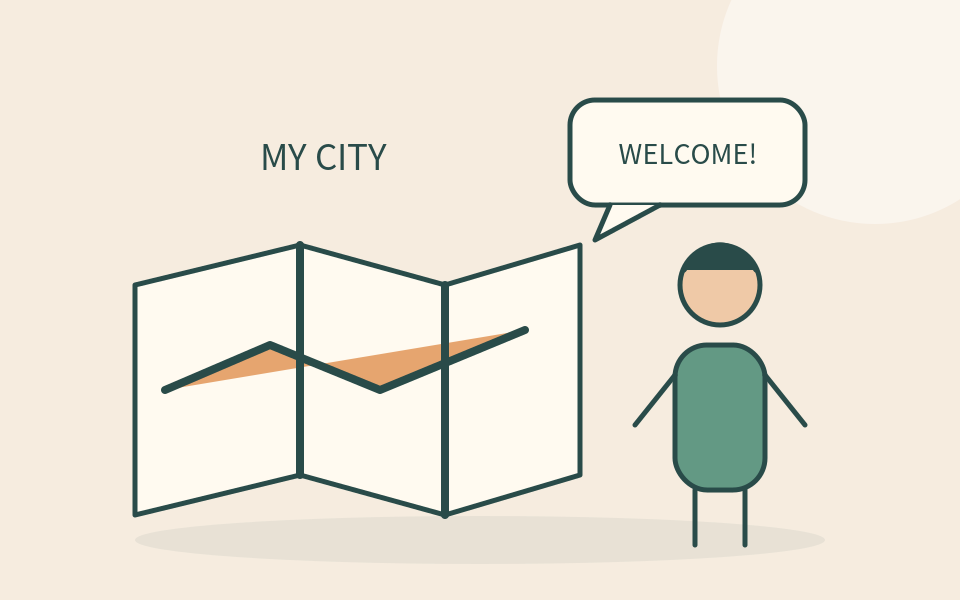
小美我,想来我住的玩。
我很,说:“这次让我你看看吧。”
,我去中国玩,都是她帮我看、找。
现在,我想用汉语的。
我先几个喜欢的,再想想每个有什么的。
有些词不会说,就,把长句子短句子。
小美问:“你得这么,是不是要?”
我笑了:“不是。我想让你看看,我生活的。”
她说:“我最想知道的,是你为什么喜欢这些。”
我又在每个名字后面加了一句话,的。
现在的汉语还不,可是我已经能一个的了。
等她来的时候,我想先说:“你。今天,我来。”
to tell
小美告诉我,下个月想来我住的城市玩。
xiǎo měi gào sù wǒ, xià gè yuè xiǎng lái wǒ zhù de chéng shì wán.
Xiaomei told me she wanted to visit my city next month.
next month
小美告诉我,下个月想来我住的城市玩。
xiǎo měi gào sù wǒ, xià gè yuè xiǎng lái wǒ zhù de chéng shì wán.
Xiaomei told me she wanted to visit my city next month.
city (supplemental word)
小美告诉我,下个月想来我住的城市玩。
xiǎo měi gào sù wǒ, xià gè yuè xiǎng lái wǒ zhù de chéng shì wán.
Xiaomei told me she wanted to visit my city next month.
happy; pleased
我很高兴,说:“这次让我带你看看吧。”
wǒ hěn gāo xìng, shuō: "zhè cì ràng wǒ dài nǐ kàn kan ba. "
I was happy and said, “Let me show you around this time.”
to take someone around; to lead or guide someone (in this story)
我很高兴,说:“这次让我带你看看吧。”
wǒ hěn gāo xìng, shuō: "zhè cì ràng wǒ dài nǐ kàn kan ba. "
I was happy and said, “Let me show you around this time.”
before; previously (supplemental word / expression)
以前,我去中国玩,都是她帮我看地图、找饭馆。
yǐ qián, wǒ qù zhōng guó wán, dōu shì tā bāng wǒ kàn dì tú, zhǎo fàn guǎn.
Before, when I visited China, she always helped me with maps and restaurants.
map (supplemental word)
以前,我去中国玩,都是她帮我看地图、找饭馆。
yǐ qián, wǒ qù zhōng guó wán, dōu shì tā bāng wǒ kàn dì tú, zhǎo fàn guǎn.
Before, when I visited China, she always helped me with maps and restaurants.
restaurant
以前,我去中国玩,都是她帮我看地图、找饭馆。
yǐ qián, wǒ qù zhōng guó wán, dōu shì tā bāng wǒ kàn dì tú, zhǎo fàn guǎn.
Before, when I visited China, she always helped me with maps and restaurants.
to try doing something
现在,我想试着用汉语介绍自己的城市。
xiàn zài, wǒ xiǎng shì zhe yòng hàn yǔ jiè shào zì jǐ de chéng shì.
Now I wanted to try introducing my own city in Chinese.
to introduce
现在,我想试着用汉语介绍自己的城市。
xiàn zài, wǒ xiǎng shì zhe yòng hàn yǔ jiè shào zì jǐ de chéng shì.
Now I wanted to try introducing my own city in Chinese.
oneself; one's own (supplemental word / expression)
现在,我想试着用汉语介绍自己的城市。
xiàn zài, wǒ xiǎng shì zhe yòng hàn yǔ jiè shào zì jǐ de chéng shì.
Now I wanted to try introducing my own city in Chinese.
to write down
我先写下几个喜欢的地方,再想想每个地方有什么特别的。
wǒ xiān xiě xià jǐ gè xǐ huan de dì fang, zài xiǎng xiǎng měi gè dì fang yǒu shén me tè bié de.
I wrote down a few favourite places, then thought about what was special about each one.
a place
我先写下几个喜欢的地方,再想想每个地方有什么特别的。
wǒ xiān xiě xià jǐ gè xǐ huan de dì fang, zài xiǎng xiǎng měi gè dì fang yǒu shén me tè bié de.
I wrote down a few favourite places, then thought about what was special about each one.
particularly; special
我先写下几个喜欢的地方,再想想每个地方有什么特别的。
wǒ xiān xiě xià jǐ gè xǐ huan de dì fang, zài xiǎng xiǎng měi gè dì fang yǒu shén me tè bié de.
I wrote down a few favourite places, then thought about what was special about each one.
to look something up (supplemental expression)
有些词不会说,就查一查,把长句子改成短句子。
yǒu xiē cí bú huì shuō, jiù chá yi chá, bǎ cháng jù zi gǎi chéng duǎn jù zi.
For words I didn't know, I looked them up, and I changed long sentences into shorter ones.
to change into (supplemental expression)
有些词不会说,就查一查,把长句子改成短句子。
yǒu xiē cí bú huì shuō, jiù chá yi chá, bǎ cháng jù zi gǎi chéng duǎn jù zi.
For words I didn't know, I looked them up, and I changed long sentences into shorter ones.
to prepare; to plan
小美问:“你准备得这么认真,是不是要考试?”
xiǎo měi wèn: "nǐ zhǔn bèi de zhè me rèn zhēn, shì bu shì yào kǎo shì? "
Xiaomei asked, “You're preparing so carefully. Are you taking an exam?”
careful; serious; to do something attentively
小美问:“你准备得这么认真,是不是要考试?”
xiǎo měi wèn: "nǐ zhǔn bèi de zhè me rèn zhēn, shì bu shì yào kǎo shì? "
Xiaomei asked, “You're preparing so carefully. Are you taking an exam?”
exam; to take an exam
小美问:“你准备得这么认真,是不是要考试?”
xiǎo měi wèn: "nǐ zhǔn bèi de zhè me rèn zhēn, shì bu shì yào kǎo shì? "
Xiaomei asked, “You're preparing so carefully. Are you taking an exam?”
usually; in everyday life
我笑了:“不是。我想让你看看,我平时生活的地方。”
wǒ xiào le: "bú shì. wǒ xiǎng ràng nǐ kàn kan, wǒ píng shí shēng huó de dì fang. "
I laughed. “No. I want you to see where I live.”
idea; what one thinks (supplemental word)
我又在每个名字后面加了一句话,写下自己的想法。
wǒ yòu zài měi gè míng zi hòu miàn jiā le yí jù huà, xiě xià zì jǐ de xiǎng fǎ.
I added another sentence after each place name, writing down what I thought.
perfect (supplemental word)
现在的汉语还不完美,可是我已经能准备一个自己的介绍了。
xiàn zài de hàn yǔ hái bù wán měi, kě shì wǒ yǐ jīng néng zhǔn bèi yí gè zì jǐ de jiè shào le.
My Chinese still wasn't perfect, but I could already prepare my own introduction.
to welcome; welcome!
等她来的时候,我想先说:“欢迎你。今天,我来带路。”
děng tā lái de shí hou, wǒ xiǎng xiān shuō: "huān yíng nǐ. jīn tiān, wǒ lái dài lù. "
When she comes, I want to start by saying, “Welcome. Today, I’ll lead the way.”
to lead the way (supplemental expression)
等她来的时候,我想先说:“欢迎你。今天,我来带路。”
děng tā lái de shí hou, wǒ xiǎng xiān shuō: "huān yíng nǐ. jīn tiān, wǒ lái dài lù. "
When she comes, I want to start by saying, “Welcome. Today, I’ll lead the way.”
Use 让 before a person and an action to mean let or have that person do something. 让我 introduces an offer to do it yourself.
“让”后面放人和动作;“让我……”可以主动提出由自己做。
这次让我带你看看吧。Let me show you around this time.
让我先介绍这个地方。Let me introduce this place first.
Use 改成 to say what something is changed into. In the story, the learner turns long sentences into shorter ones.
“改成”后面说改变以后的样子。
我把长句子改成短句子。I turn long sentences into short ones.
我们把星期二的课改成星期三的。We move Tuesday’s lesson to Wednesday.
Turn both off to practice with Chinese only.
Answers and explanations appear after you submit.