WMWei WorldSign up
Are You Sick? — illustrated story cover

A little reading

01

今(jīn)天(tiān)上(shàng)课(kè),小(xiǎo)明(míng)没(méi)有(yǒu),也(yě)没(méi)有(yǒu)。

02

后(hòu),我(wǒ)问(wèn):“你(nǐ)是(shì)不(bu)是(shì)了(le)?”

03

他(tā)说(shuō):“没(méi)有(yǒu),就(jiù)是(shì)很(hěn)。”

04

我(wǒ)问(wèn):“你(nǐ)昨(zuó)天(tiān)几(jǐ)点(diǎn)?”

05

他(tā)说(shuō):“两(liǎng)点(diǎn)。”

06

我(wǒ)说(shuō):“太(tài)了(le)!你(nǐ)在(zài)做(zuò)什(shén)么(me)?”

07

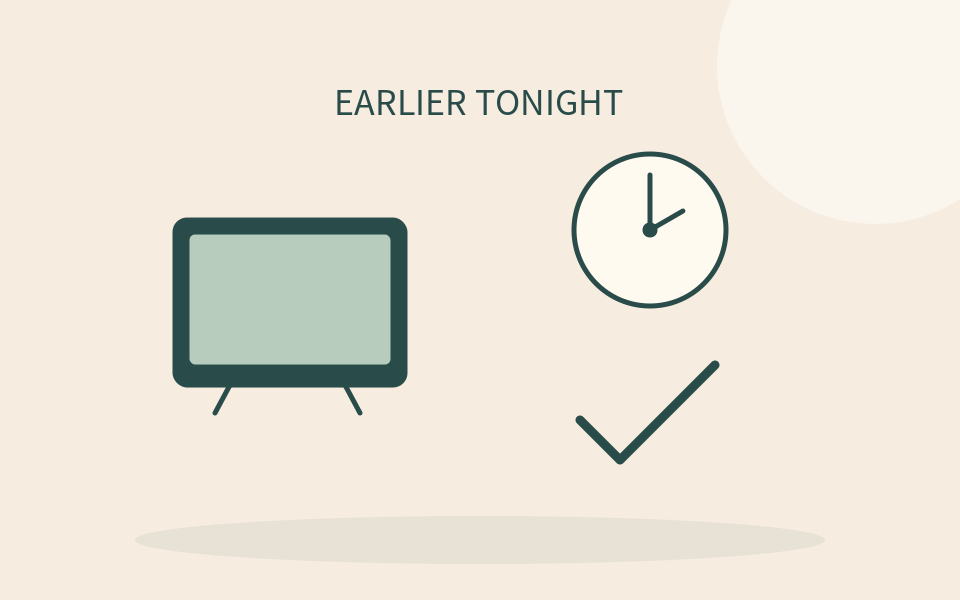
他(tā):“看(kàn)电(diàn)视(shì)。我(wǒ)想(xiǎng)再(zài)睡(shuì)。”

08

,我(wǒ)们(men)吃(chī)饭(fàn)。

09

他(tā)吃(chī)得(de)很(hěn),还(hái)想(xiǎng)喝(hē)。

10

我(wǒ)说(shuō):“下(xià)午(wǔ)没(méi)有(yǒu)课(kè),你(nǐ)回(huí)家(jiā)吧(ba)。”

11

,他(tā)。

12

我(wǒ)问(wèn):“昨(zuó)天(tiān)睡(shuì)得(de)好(hǎo)吗(ma)?”

13

他(tā)说(shuō):“很(hěn)好(hǎo)。电(diàn)视(shì)还(hái)没(méi),可(kě)是(shì)我(wǒ)九(jiǔ)点(diǎn)就(jiù)睡(shuì)了(le)。”

Sign in to keep a learning history.
Build your vocabulary

A little vocabulary

shēng bìng

to be ill

lèi

tired

wǎn

late

huí dá

to answer

xiū xi

to rest

shǎo

few; little

kàn wán

to finish watching or reading (supplemental word / expression)

kàn qǐ lái

to look; to appear (supplemental word / expression)

shuō huà

to speak; to talk

Example

今天上课,小明没有说话,也没有笑。
jīn tiān shàng kè, xiǎo míng méi yǒu shuō huà, yě méi yǒu xiào.
In class today, Xiaoming neither talks nor smiles.

xiào

to laugh; to smile

Example

今天上课,小明没有说话,也没有笑。
jīn tiān shàng kè, xiǎo míng méi yǒu shuō huà, yě méi yǒu xiào.
In class today, Xiaoming neither talks nor smiles.

shuìjiào

to sleep

Example

我问:“你昨天几点睡觉?”
wǒ wèn: "nǐ zuó tiān jǐ diǎn shuì jiào? "
I ask, “What time did you go to sleep yesterday?”

zhōngwǔ

noon

Example

中午,我们一起吃饭。
zhōng wǔ, wǒ men yì qǐ chī fàn.
At noon, we eat together.

yìqǐ

together

Example

中午,我们一起吃饭。
zhōng wǔ, wǒ men yì qǐ chī fàn.
At noon, we eat together.

kā fēi

coffee

Example

他吃得很少,还想喝咖啡。
tā chī de hěn shǎo, hái xiǎng hē kā fēi.
He eats very little and wants to have coffee too.

xià kè

to finish class; class ends

Example

下课后,我问:“你是不是生病了?”
xià kè hòu, wǒ wèn: "nǐ shì bu shì shēng bìng le? "
After class, I ask, “Are you sick?”

dì èr tiān

the next day

Example

第二天,他看起来好多了。
dì èr tiān, tā kàn qǐ lái hǎo duō le.
The next day, he looks much better.

hǎo duō le

much better

Example

第二天,他看起来好多了。
dì èr tiān, tā kàn qǐ lái hǎo duō le.
The next day, he looks much better.

xiū xi yí xià

to rest for a little while

Example

我说:“下午没有课,你回家休息一下吧。”
wǒ shuō: "xià wǔ méi yǒu kè, nǐ huí jiā xiū xi yí xià ba. "
I say, “There are no classes this afternoon. Go home and get some rest.”

Notice the pattern

A little grammar

是不是(shì bu shì) — Checking a possibility

Subject + 是不是(shì bu shì) + description?

Use 是不是(shì bu shì) to check whether an idea is true. It can introduce a description or a whole possible situation.

Chinese explanation

“是(shì)不(bu)是(shì)”用(yòng)来(lái)确(què)认(rèn)一(yì)种(zhǒng)想(xiǎng)法(fǎ)是(shì)否(fǒu)正(zhèng)确(què),后(hòu)面(miàn)可(kě)以(yǐ)是(shì)描(miáo)述(shù)或(huò)整(zhěng)个(gè)情(qíng)况(kuàng)。

你(nǐ)是(shì)不(bu)是(shì)生(shēng)病(bìng)了(le)?

Are you sick?

他(tā)是(shì)不(bu)是(shì)太(tài)忙(máng)了(le)?

Could he be too busy?

Verb + 错(cuò) / 到(dào) / 完(wán) — The result of an action

Subject + verb + result word + object

A word after the verb can show the result: 错(cuò) means incorrectly, 到(dào) can mean successfully reached or found, and 完(wán) means finished. Negate a completed result with 没(méi) or 没有(méi yǒu).

Chinese explanation

动(dòng)词(cí)后(hòu)的(de)词(cí)说(shuō)明(míng)结(jié)果(guǒ):“错(cuò)”表(biǎo)示(shì)做(zuò)错(cuò),“到(dào)”可(kě)表(biǎo)示(shì)达(dá)到(dào)或(huò)找(zhǎo)到(dào),“完(wán)”表(biǎo)示(shì)完(wán)成(chéng)。否(fǒu)定(dìng)已(yǐ)完(wán)成(chéng)的(de)结(jié)果(guǒ)用(yòng)“没(méi)”或(huò)“没(méi)有(yǒu)”。

我(wǒ)拿(ná)错(cuò)书(shū)了(le)。

I took the wrong book.

我(wǒ)没(méi)找(zhǎo)到(dào)手(shǒu)机(jī)。

I did not find the phone.

Check your understanding

A little practice

Turn both off to practice with Chinese only.

Answers and explanations appear after you submit.

1. 小明为什么很累?

xiǎo míng wèi shén me hěn lèi?

2. 他昨天晚上在做什么?

tā zuó tiān wǎn shàng zài zuò shén me?

3. 后来,他几点睡觉?

hòu lái, tā jǐ diǎn shuì jiào?

4. 小明说自己生病了。

xiǎo míng shuō zì jǐ shēng bìng le.

5. 那天下午没有课。

nà tiān xià wǔ méi yǒu kè.

6. 第二天,小明看起来好多了。

dì èr tiān, xiǎo míng kàn qǐ lái hǎo duō le.