01
今天早上,我六点半就了。
今天早上,我六点半就了。
我洗了脸,,喝了,就。
爸爸看。
他问:“你今天去哪儿?”
我说:“啊,八点要到。”
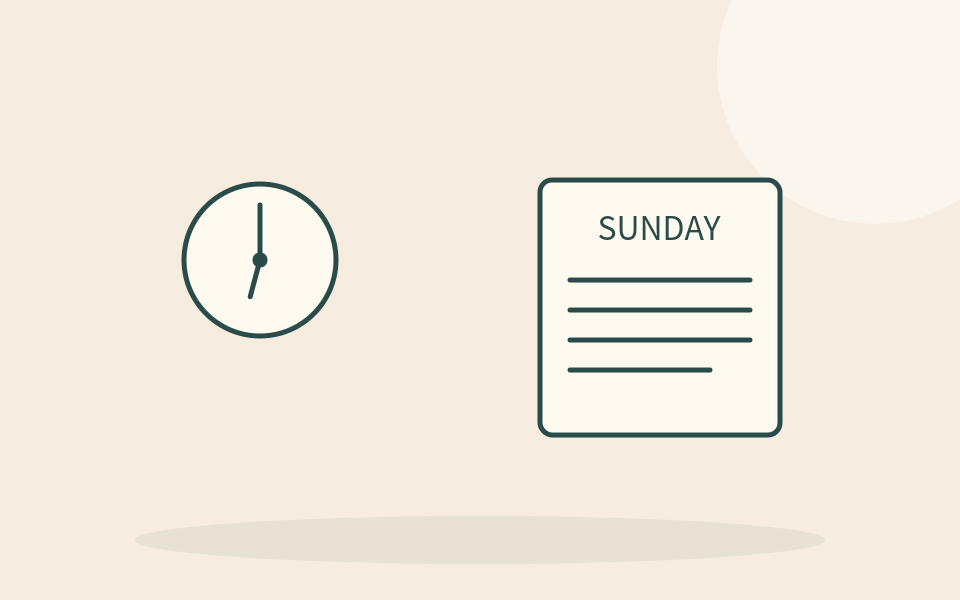
爸爸说:“今天是。”
我看了一下手机,真的是。
我昨天太,了今天。
爸爸问:“还想回去睡觉吗?”
我说:“了,我们吃吧。”
他:“好,今天吃得那么快。”
to get up
milk
newspaper
company; office
to go to work; to work
busy
to prepare; to plan
to forget (supplemental word / expression)
to put down (supplemental word / expression)
to go out (supplemental word / expression)
to get dressed; to finish putting clothes on
我洗了脸,穿好衣服,喝了一杯牛奶,就准备出门。
wǒ xǐ le liǎn, chuān hǎo yī fu, hē le yì bēi niú nǎi, jiù zhǔn bèi chū mén.
I wash my face, get dressed and drink a cup of milk. Then I get ready to leave.
clothing
我洗了脸,穿好衣服,喝了一杯牛奶,就准备出门。
wǒ xǐ le liǎn, chuān hǎo yī fu, hē le yì bēi niú nǎi, jiù zhǔn bèi chū mén.
I wash my face, get dressed and drink a cup of milk. Then I get ready to leave.
a cup of; one cup
我洗了脸,穿好衣服,喝了一杯牛奶,就准备出门。
wǒ xǐ le liǎn, chuān hǎo yī fu, hē le yì bēi niú nǎi, jiù zhǔn bèi chū mén.
I wash my face, get dressed and drink a cup of milk. Then I get ready to leave.
currently doing
爸爸正在看报纸。
bà ba zhèng zài kàn bào zhǐ.
My father is reading the newspaper.
to leave home
我洗了脸,穿好衣服,喝了一杯牛奶,就准备出门。
wǒ xǐ le liǎn, chuān hǎo yī fu, hē le yì bēi niú nǎi, jiù zhǔn bèi chū mén.
I wash my face, get dressed and drink a cup of milk. Then I get ready to leave.
Sunday
爸爸说:“今天是星期日。”
bà ba shuō: "jīn tiān shì xīng qī rì. "
My father says, “Today is Sunday.”
do not need to; no need
我昨天太忙,忘了今天不用上班。
wǒ zuó tiān tài máng, wàng le jīn tiān bú yòng shàng bān.
I was too busy yesterday and forgot that I don't need to work today.
already
我说:“已经起来了,我们出去吃早饭吧。”
wǒ shuō: "yǐ jīng qǐ lái le, wǒ men chū qù chī zǎo fàn ba. "
I say, “I'm already up. Let's go out for breakfast.”
breakfast
我说:“已经起来了,我们出去吃早饭吧。”
wǒ shuō: "yǐ jīng qǐ lái le, wǒ men chū qù chī zǎo fàn ba. "
I say, “I'm already up. Let's go out for breakfast.”
to get up
我说:“已经起来了,我们出去吃早饭吧。”
wǒ shuō: "yǐ jīng qǐ lái le, wǒ men chū qù chī zǎo fàn ba. "
I say, “I'm already up. Let's go out for breakfast.”
不用 says an action is not necessary. It is different from 不会, which says someone does not know how.
“不用”表示没有必要做;“不会”表示不具备某项技能。
今天不用上班。There is no need to work today.
你不用等我。You do not need to wait for me.
正在 emphasizes an action in progress at the time being described.
“正在”强调所说时间里正在进行的动作。
妈妈正在做饭。My mother is cooking.
我正在写字。I am writing characters.
Turn both off to practice with Chinese only.
Answers and explanations appear after you submit.