01
我在北京,已经年没了。
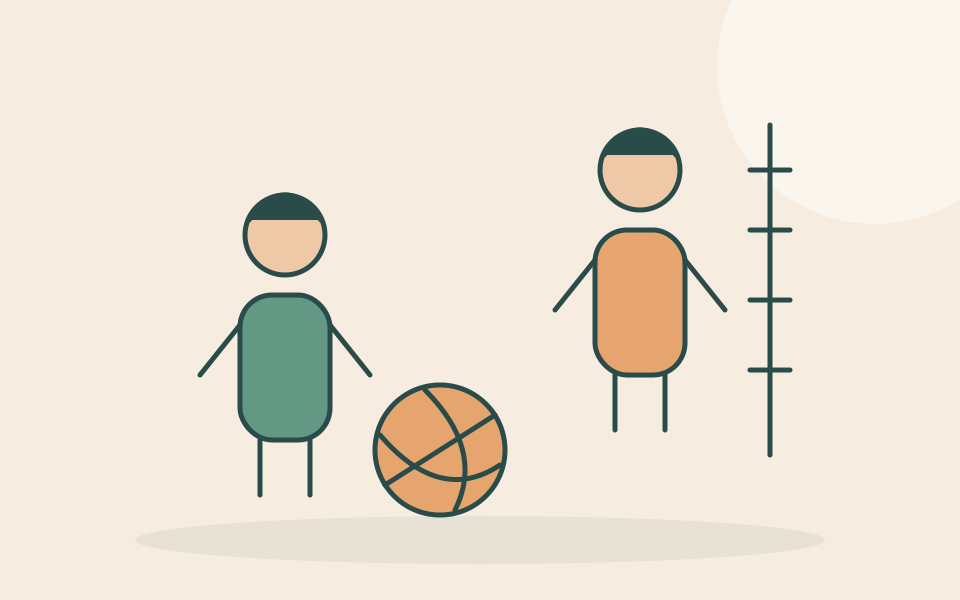
我在北京,已经年没了。
今天,来。
我看着他:“你怎么我了?”
说:“我每天,也吃多。”
吃的时候,他吃了两碗,我吃了一碗。
妈妈说:“他现在都穿你的了。”
我看看,我的,他穿着。
问:“明天和我吗?”
我说:“好,可是你我,我跑没有你快。”
他笑了:“都是你我快一点,现在我你了。”
younger brother
tall; high
than; used for comparison
to play basketball
half (supplemental word / expression)
to wait
before; previously (supplemental word / expression)
just right; just in time (supplemental word / expression)
děi: must; have to, in 你得等我 (s09). de: a complement particle in 吃得多 (s04) and 跑得没有你快 (s09).
even (used with 都) (supplemental word / expression)
to work; work
我在北京工作,已经半年没回家了。
wǒ zài běi jīng gōng zuò, yǐ jīng bàn nián méi huí jiā le.
I work in Beijing and haven't been home for half a year.
to go home; to return home
我在北京工作,已经半年没回家了。
wǒ zài běi jīng gōng zuò, yǐ jīng bàn nián méi huí jiā le.
I work in Beijing and haven't been home for half a year.
to open the door
今天回家,弟弟来开门。
jīn tiān huí jiā, dì di lái kāi mén.
Today, I come home, and my younger brother opens the door.
dinner; the evening meal
吃晚饭的时候,他吃了两碗米饭,我只吃了一碗。
chī wǎn fàn de shí hou, tā chī le liǎng wǎn mǐ fàn, wǒ zhǐ chī le yì wǎn.
At dinner, he eats two bowls of rice. I only eat one.
cooked rice
吃晚饭的时候,他吃了两碗米饭,我只吃了一碗。
chī wǎn fàn de shí hou, tā chī le liǎng wǎn mǐ fàn, wǒ zhǐ chī le yì wǎn.
At dinner, he eats two bowls of rice. I only eat one.
shoe
妈妈说:“他现在连鞋都穿你的了。”
mā ma shuō: "tā xiàn zài lián xié dōu chuān nǐ de le. "
My mother says, “He even wears your shoes now.”
entrance; doorway
我看看门口,我以前的鞋,他穿着正好。
wǒ kàn kan mén kǒu, wǒ yǐ qián de xié, tā chuān zhe zhèng hǎo.
I look by the door. My old shoes fit him just right.
only
吃晚饭的时候,他吃了两碗米饭,我只吃了一碗。
chī wǎn fàn de shí hou, tā chī le liǎng wǎn mǐ fàn, wǒ zhǐ chī le yì wǎn.
At dinner, he eats two bowls of rice. I only eat one.
to change; to swap
他笑了:“以前都是你让我快一点,现在换我等你了。”
tā xiào le: "yǐ qián dōu shì nǐ ràng wǒ kuài yì diǎn, xiàn zài huàn wǒ děng nǐ le. "
He laughs. “You used to tell me to hurry up. Now it's my turn to wait for you.”
to ask or tell someone to do something; to let
他笑了:“以前都是你让我快一点,现在换我等你了。”
tā xiào le: "yǐ qián dōu shì nǐ ràng wǒ kuài yì diǎn, xiàn zài huàn wǒ děng nǐ le. "
He laughs. “You used to tell me to hurry up. Now it's my turn to wait for you.”
Put 比 between the two things being compared, then add the description. Do not add 很 directly before the adjective in this basic pattern.
先说两个人或事物,再用形容词说明比较结果。这个基本句型中,形容词前不直接加“很”。
他比我高。He is taller than me.
这杯咖啡比那杯大。This cup of coffee is bigger than that one.
Use 没有 to make a negative comparison. 那么 can be omitted in some natural sentences.
“没有”可用于否定比较,“那么”在一些自然表达中可以省略。
我没有他那么高。I am not as tall as him.
我跑得没有你快。I do not run as fast as you.
Turn both off to practice with Chinese only.
Answers and explanations appear after you submit.