01
今天,我和妈妈去。
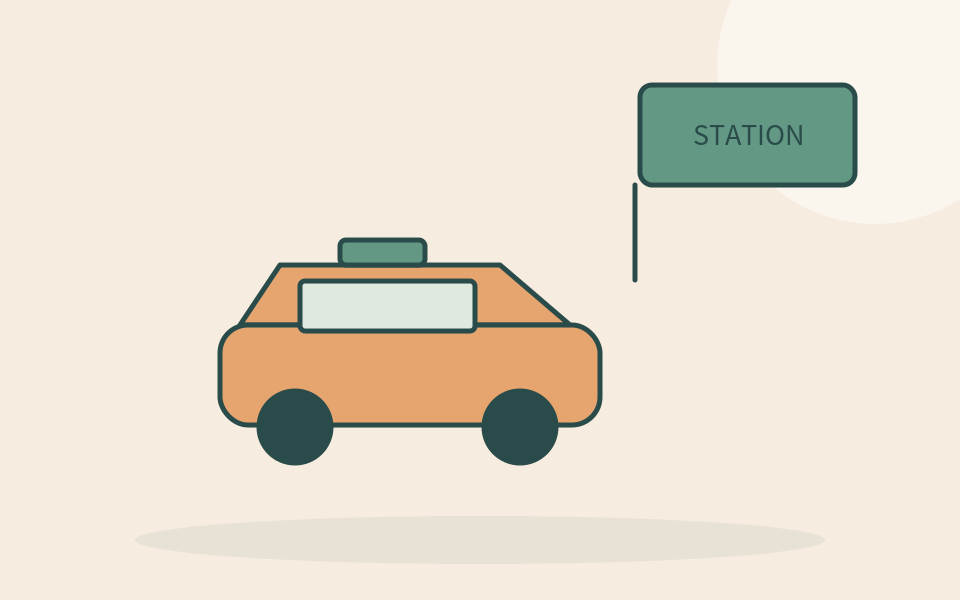
今天,我和妈妈去。
我:“我们去?”
妈妈:“。”
了,妈妈在我。
我:“妈妈,你的呢?”
妈妈:“在,是一。”
我很:“在,我们吃!”
train station
how
to sit; to take transportation
taxi
behind; back
things; belongings
some
to ask (extension word: classic HSK2)
to say (supplemental form related to 说话)
morning
今天上午,我和妈妈去火车站。
Jīntiān shàngwǔ, wǒ hé māma qù huǒchēzhàn.
This morning, my mother and I are going to the train station.
to come
出租车来了,妈妈坐在我后面。
Chūzūchē lái le, māma zuò zài wǒ hòumiàn.
The taxi arrives. My mother sits behind me.
apple
妈妈说:“在这儿,是一些苹果。”
Māma shuō: “Zài zhèr, shì yìxiē píngguǒ.”
My mother says, “Here. They are some apples.”
can; to be able to
我很高兴:“在火车站,我们能吃苹果!”
Wǒ hěn gāoxìng: “Zài huǒchēzhàn, wǒmen néng chī píngguǒ!”
I am happy. “We can eat apples at the station!”
happy; pleased
我很高兴:“在火车站,我们能吃苹果!”
Wǒ hěn gāoxìng: “Zài huǒchēzhàn, wǒmen néng chī píngguǒ!”
I am happy. “We can eat apples at the station!”
here
妈妈说:“在这儿,是一些苹果。”
Māma shuō: “Zài zhèr, shì yìxiē píngguǒ.”
My mother says, “Here. They are some apples.”
Use 怎么 before a verb to ask how an action is done.
“怎么”放在动作前,询问做事的方法。
你怎么去学校?How do you get to school?
这个字怎么读?How do you read this character?
Use 坐 with a vehicle to say how someone travels.
“坐”后加交通工具,说明出行方式。
我坐出租车去学校。I take a taxi to school.
她坐飞机去北京。She flies to Beijing.
Turn both off to practice with Chinese only.
Answers and explanations appear after you submit.