WMWei WorldSign up
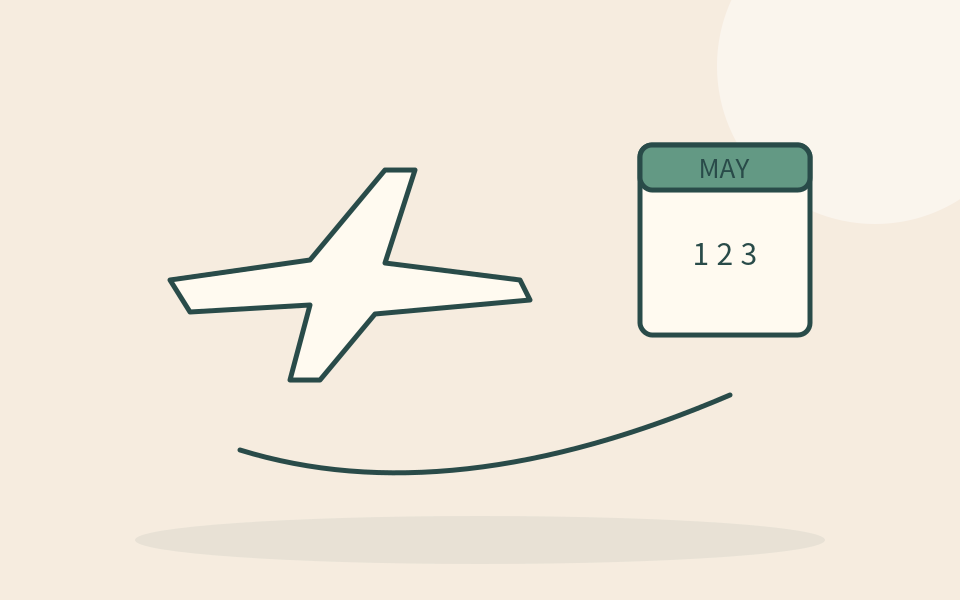
Three Days in Beijing story illustration

A little reading

01

今(Jīn)是(shì)五(wǔ)一(yī),我(wǒ)和(hé)妈(mā)妈(ma)去(qù)。

02

我(Wǒ)们(men)去(qù)。

03

妈(Mā)妈(ma)的(de)在(zài),我(wǒ)们(men)在(zài)她(tā)家(jiā)。

04

五(Wǔ)二(èr),我(wǒ)们(men)和(hé)她(tā)去(qù)。

05

我(Wǒ)这(zhè)里(lǐ)的(de),妈(mā)妈(ma)这(zhè)里(lǐ)的(de)。

06

五(Wǔ)三(sān),我(wǒ)们(men)。

07

我(Wǒ):“这(Zhè)三(sān),我(wǒ)很(hěn)!”

Sign in to keep a learning history.
Build your vocabulary

A little vocabulary

yuè

month

rì

day (in a date)

tiān

day (supplemental time word)

Běijīng

Beijing

fēijī

airplane

zhù

to live; to stay

péngyou

friend

xǐhuan

to like

huí

to return

gāoxìng

happy; pleased

shuō

to say (supplemental form related to 说话)

zuò

to sit; to travel by

Example

我们坐飞机去。
Wǒmen zuò fēijī qù.
We are flying there.

fànguǎn

restaurant

Example

五月二日,我们和她去饭馆吃饭。
Wǔ yuè èr rì, wǒmen hé tā qù fànguǎn chī fàn.
On May second, we go to a restaurant with her.

chī fàn

to eat; to have a meal

Example

五月二日,我们和她去饭馆吃饭。
Wǔ yuè èr rì, wǒmen hé tā qù fànguǎn chī fàn.
On May second, we go to a restaurant with her.

chá

tea

Example

我喜欢这里的菜,妈妈喜欢这里的茶。
Wǒ xǐhuan zhè lǐ de cài, māma xǐhuan zhè lǐ de chá.
I like the food here, and my mother likes the tea.

cài

vegetables; a dish

Example

我喜欢这里的菜,妈妈喜欢这里的茶。
Wǒ xǐhuan zhè lǐ de cài, māma xǐhuan zhè lǐ de chá.
I like the food here, and my mother likes the tea.

huí jiā

to go home; to return home

Example

五月三日,我们回家。
Wǔ yuè sān rì, wǒmen huí jiā.
On May third, we go home.

Notice the pattern

A little grammar

Month + 月(yuè) + day + 日(rì) — Saying a date

Number + 月(yuè) + number + 日(rì)

Give the month first, then the day. 日(rì) is common in written dates and can be read aloud; 号(hào) is common in everyday speech.

Chinese explanation

日(rì)期(qī)先(xiān)说(shuō)月(yuè),再(zài)说(shuō)日(rì)。“日(rì)”常(cháng)见(jiàn)于(yú)书(shū)面(miàn)日(rì)期(qī),也(yě)可(kě)以(yǐ)读(dú)出(chū)来(lái);日(rì)常(cháng)口(kǒu)语(yǔ)也(yě)常(cháng)用(yòng)“号(hào)”。

今(Jīn)天(tiān)是(shì)五(wǔ)月(yuè)一(yī)日(rì)。

Today is May first.

明(Míng)天(tiān)是(shì)五(wǔ)月(yuè)二(èr)日(rì)。

Tomorrow is May second.

坐(zuò) + transport — Taking transportation

Subject + 坐(zuò) + transport + 去(qù) + place

Use 坐(zuò) with a vehicle to say how someone travels.

Chinese explanation

“坐(zuò)”后(hòu)加(jiā)交(jiāo)通(tōng)工(gōng)具(jù),说(shuō)明(míng)出(chū)行(xíng)方(fāng)式(shì)。

我(Wǒ)坐(zuò)出(chū)租(zū)车(chē)去(qù)学(xué)校(xiào)。

I take a taxi to school.

她(Tā)坐(zuò)飞(fēi)机(jī)去(qù)北(Běi)京(jīng)。

She flies to Beijing.

Check your understanding

A little practice

Turn both off to practice with Chinese only.

Answers and explanations appear after you submit.

1. 我们怎么去北京?

Wǒmen zěnme qù Běijīng?

2. 我们住在哪里?

Wǒmen zhù zài nǎlǐ?

3. 我们几月几日回家?

Wǒmen jǐ yuè jǐ rì huí jiā?

4. 五月二日,我们去饭馆吃饭。

Wǔ yuè èr rì, wǒmen qù fànguǎn chī fàn.

5. 妈妈不喜欢这里的茶。

Māma bù xǐhuan zhè lǐ de chá.

6. 妈妈的朋友住在北京。

Māma de péngyou zhù zài Běijīng.