01
后,小明在学校,没有。
后,小明在学校,没有。
我问:“你在谁?”
他说:“我。我们要去吃饭。”
过了十,一个。
小明说:“!”
那个看看他:“你叫我吗?我不是你。”
小明地说:“,你的和我的。”
又过了一会儿,他来了,穿着的。
我问:“不是的吗?”
她笑了:“昨天是的,今天了。”
小明说:“我先看!”
to wait
older sister
white (白 + 色) (supplemental word / expression)
red (红 + 色) (supplemental word / expression)
entrance; doorway (supplemental word / expression)
the same; alike (supplemental word / expression)
to change; to swap (supplemental word / expression)
face (supplemental word / expression)
to stand (supplemental word / expression)
to finish class; class ends
下课后,小明站在学校门口,没有回家。
xià kè hòu, xiǎo míng zhàn zài xué xiào mén kǒu, méi yǒu huí jiā.
After class, Xiaoming stands at the school entrance instead of going home.
to go home; to return home
下课后,小明站在学校门口,没有回家。
xià kè hòu, xiǎo míng zhàn zài xué xiào mén kǒu, méi yǒu huí jiā.
After class, Xiaoming stands at the school entrance instead of going home.
together
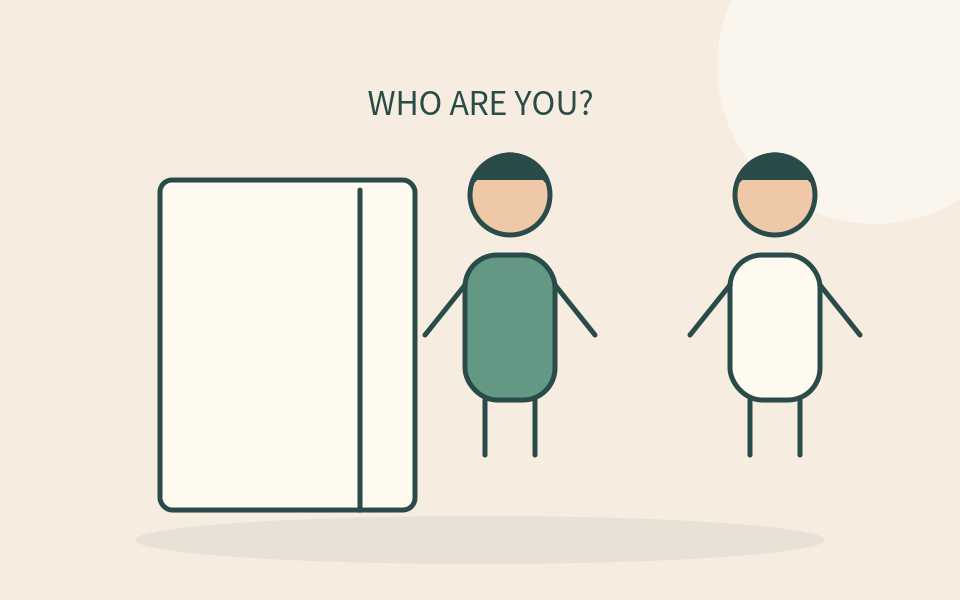
他说:“等我姐姐。我们要一起去吃饭。”
tā shuō: "děng wǒ jiě jie. wǒ men yào yì qǐ qù chī fàn. "
He says, “My older sister. We're going to eat together.”
minute
过了十分钟,一个女孩子走过来。
guò le shí fēn zhōng, yí gè nǚ hái zi zǒu guò lái.
Ten minutes later, a girl walks over.
a girl
过了十分钟,一个女孩子走过来。
guò le shí fēn zhōng, yí gè nǚ hái zi zǒu guò lái.
Ten minutes later, a girl walks over.
to walk over here
过了十分钟,一个女孩子走过来。
guò le shí fēn zhōng, yí gè nǚ hái zi zǒu guò lái.
Ten minutes later, a girl walks over.
embarrassed; sorry
小明不好意思地说:“对不起,你的衣服和我姐姐的一样。”
xiǎo míng bù hǎo yì si de shuō: "duì bù qǐ, nǐ de yī fu hé wǒ jiě jie de yí yàng. "
Xiaoming says sheepishly, “Sorry. Your clothes are the same as my sister's.”
sorry
小明不好意思地说:“对不起,你的衣服和我姐姐的一样。”
xiǎo míng bù hǎo yì si de shuō: "duì bù qǐ, nǐ de yī fu hé wǒ jiě jie de yí yàng. "
Xiaoming says sheepishly, “Sorry. Your clothes are the same as my sister's.”
clothing
小明不好意思地说:“对不起,你的衣服和我姐姐的一样。”
xiǎo míng bù hǎo yì si de shuō: "duì bù qǐ, nǐ de yī fu hé wǒ jiě jie de yí yàng. "
Xiaoming says sheepishly, “Sorry. Your clothes are the same as my sister's.”
next time
小明说:“下次我先看脸!”
xiǎo míng shuō: "xià cì wǒ xiān kàn liǎn! "
Xiaoming says, “Next time I'll look at the face first!”
This pattern says two things are alike. An adjective may follow 一样 when specifying how they are alike.
“和……一样”说明两个人或事物相同,也可以加形容词说明哪方面相同。
你的衣服和她的一样。Your clothes are the same as hers.
我和他一样高。I am as tall as him.
着 can show a continuing state, such as wearing clothes or an object being placed somewhere. It is not simply a marker for every ongoing action.
“着”可说明持续状态,例如穿着衣服、东西放着;不是所有正在进行的动作都用“着”。
她穿着白色的衣服。She is wearing white clothes.
门口放着苹果。There are apples placed by the door.
Turn both off to practice with Chinese only.
Answers and explanations appear after you submit.