01
星期六早上,妈妈让我。
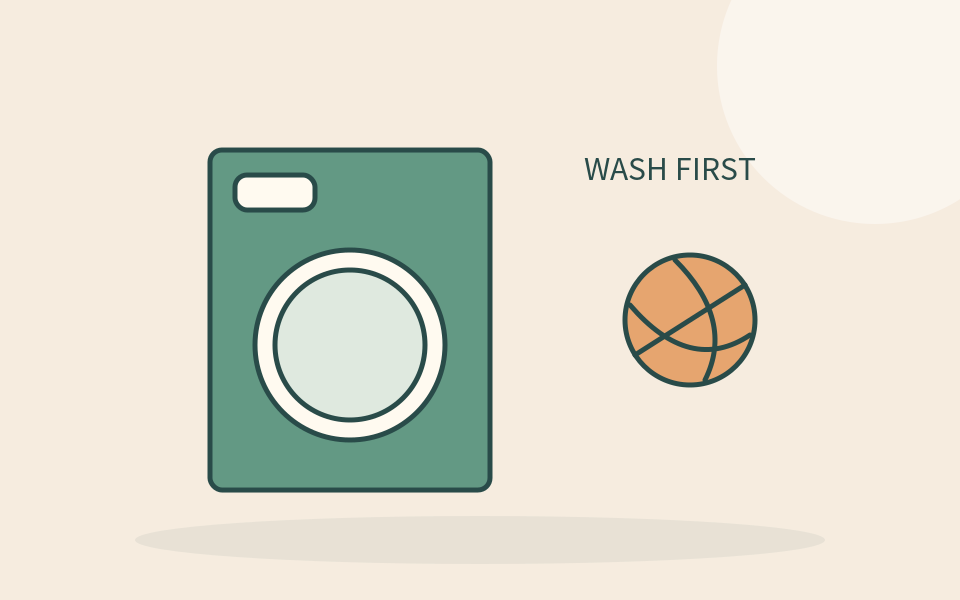
星期六早上,妈妈让我。
我看看:“今天冷,再吧。”
妈妈说:“你昨天也是这么说的。”
我说:“我下午要和朋友。”
妈妈问:“你要?”
我喜欢的那件,它很。
我又看了看,也都。
我问妈妈:“现在,下午能吗?”
妈妈说:“这件今天,你。”
我。
早上,我就有的了。
to wash
clothes
to play basketball
to wear; to put on
most; -est
to begin
dirty (supplemental word / expression)
clean (supplemental word / expression)
to need (supplemental word / expression)
other; something else (supplemental word / expression)
tomorrow
我看看窗外:“今天有点冷,明天再洗吧。”
wǒ kàn kan chuāng wài: "jīn tiān yǒu diǎn lěng, míng tiān zài xǐ ba. "
I look out of the window. “It's a little cold today. I'll wash them tomorrow.”
a little; somewhat
我看看窗外:“今天有点冷,明天再洗吧。”
wǒ kàn kan chuāng wài: "jīn tiān yǒu diǎn lěng, míng tiān zài xǐ ba. "
I look out of the window. “It's a little cold today. I'll wash them tomorrow.”
outside the window
我看看窗外:“今天有点冷,明天再洗吧。”
wǒ kàn kan chuāng wài: "jīn tiān yǒu diǎn lěng, míng tiān zài xǐ ba. "
I look out of the window. “It's a little cold today. I'll wash them tomorrow.”
to take out
我拿出最喜欢的那件,才看见它很脏。
wǒ ná chū zuì xǐ huan de nà jiàn, cái kàn jiàn tā hěn zāng.
I take out my favorite one and only then notice that it's very dirty.
only then; not until
我拿出最喜欢的那件,才看见它很脏。
wǒ ná chū zuì xǐ huan de nà jiàn, cái kàn jiàn tā hěn zāng.
I take out my favorite one and only then notice that it's very dirty.
to see
我拿出最喜欢的那件,才看见它很脏。
wǒ ná chū zuì xǐ huan de nà jiàn, cái kàn jiàn tā hěn zāng.
I take out my favorite one and only then notice that it's very dirty.
can; may
妈妈说:“这件今天穿不了,你可以先穿别的。”
mā ma shuō: "zhè jiàn jīn tiān chuān bù liǎo, nǐ kě yǐ xiān chuān bié de. "
My mother says, “You won't be able to wear this one today. You can wear something else first.”
first; before something else
妈妈说:“这件今天穿不了,你可以先穿别的。”
mā ma shuō: "zhè jiàn jīn tiān chuān bù liǎo, nǐ kě yǐ xiān chuān bié de. "
My mother says, “You won't be able to wear this one today. You can wear something else first.”
cannot wear
妈妈说:“这件今天穿不了,你可以先穿别的。”
mā ma shuō: "zhè jiàn jīn tiān chuān bù liǎo, nǐ kě yǐ xiān chuān bié de. "
My mother says, “You won't be able to wear this one today. You can wear something else first.”
which one?
妈妈问:“你要穿哪件衣服?”
mā ma wèn: "nǐ yào chuān nǎ jiàn yī fu? "
My mother asks, “Which item of clothing are you going to wear?”
再 can put an action at a later time or indicate a planned repetition. Use context to distinguish the two.
“再”可以表示以后做某事,也可以表示计划再做一次,具体意思看语境。
明天再洗吧。Wash it tomorrow.
下次再来。Come again next time.
先 marks what to do first and can be used on its own, as in 你可以先穿别的 in this story. Add 再 to introduce the next action when that next step is stated.
“先”说明优先做的事,可以单独使用,如本篇“你可以先穿别的”。需要说出下一步时,可以接“再”,组成“先……再……”。
我先看名字,再拿本子。I check the name before taking the notebook.
先吃完,再说话。Finish eating first, then speak.
Turn both off to practice with Chinese only.
Answers and explanations appear after you submit.