01
今天,小明去。
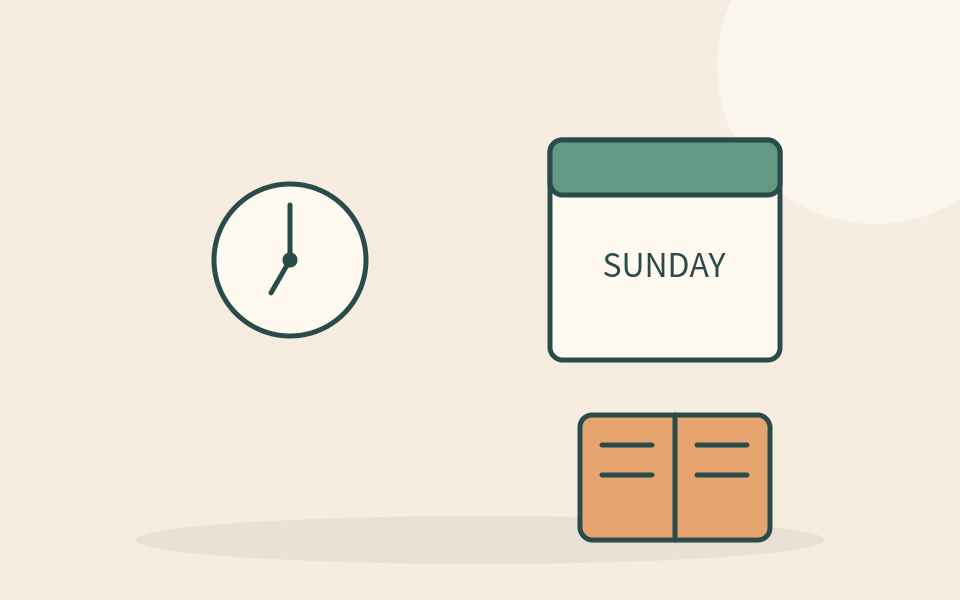
今天,小明去。
妈妈:“你今天去吗?”
小明:“是,今天是。”
妈妈:“不是,今天是!”
小明了:“是。”
他不去了,。
妈妈:“好,我们去。”
morning
Monday (星期 + 一)
Sunday (星期 + 日)
tomorrow
now
school
to look at; to read; to watch
film
to say (supplemental form related to 说话)
afternoon
妈妈说:“好,下午我们去看电影。”
Māma shuō: “Hǎo, xiàwǔ wǒmen qù kàn diànyǐng.”
His mother says, “Okay. We will go to see a film this afternoon.”
to read a book
他现在不去学校了,想在家看书。
Tā xiànzài bú qù xuéxiào le, xiǎng zài jiā kàn shū.
He decides not to go to school now. He wants to read at home.
at home
他现在不去学校了,想在家看书。
Tā xiànzài bú qù xuéxiào le, xiǎng zài jiā kàn shū.
He decides not to go to school now. He wants to read at home.
to want; to think
今天上午七点,小明想去学校。
Jīntiān shàngwǔ qī diǎn, Xiǎomíng xiǎng qù xuéxiào.
At seven this morning, Xiaoming wants to go to school.
seven o’clock
今天上午七点,小明想去学校。
Jīntiān shàngwǔ qī diǎn, Xiǎomíng xiǎng qù xuéxiào.
At seven this morning, Xiaoming wants to go to school.
Put the time before the action. The time can also come before the subject.
时间通常放在动作前,也可以放在主语前。
我们下午看电影。We watch a film in the afternoon.
明天,我去学校。Tomorrow, I will go to school.
Use 不 for a negative preference, a general fact, or a description. Before another fourth tone, 不 is pronounced bú.
“不”可以否定喜好、一般事实或描述;后面是第四声时,通常读第二声。
我不喜欢茶。I do not like tea.
这件衣服不大。This item of clothing is not big.
Turn both off to practice with Chinese only.
Answers and explanations appear after you submit.