01
让我们把放在上。
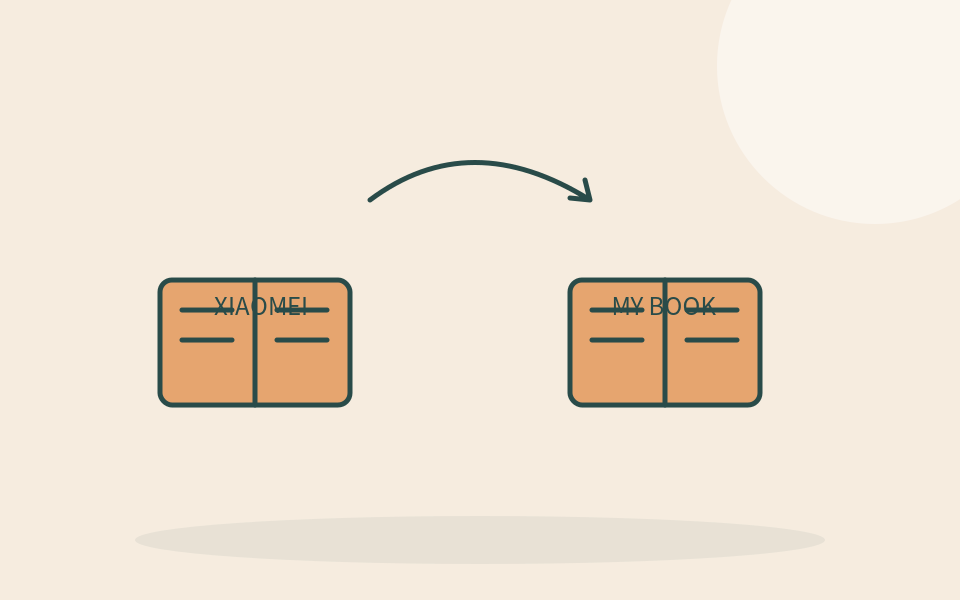
让我们把放在上。
以后,我拿了一本就了。
晚上,我,很:“这些怎么写得这么好?”
我又看了看,都做对了。
我了一会儿,才上面的是“小美”。
我给小美:“我拿你的了。”
她说:“我也拿了,现在你的在我这里。”
,我们了回来。
小美说:“你的也不。”
我笑了:“没有你的那么好。今天我看,再拿。”
name
to feel; to think
question; exercise
wrong; mistaken
notebook (supplemental word / expression)
homework (supplemental word / expression)
strange; puzzled (supplemental word / expression)
right away (supplemental word / expression)
to change; to swap (supplemental word / expression)
teacher
老师让我们把作业放在桌子上。
lǎo shī ràng wǒ men bǎ zuò yè fàng zài zhuō zi shàng.
The teacher asks us to put our homework on the table.
table; desk
老师让我们把作业放在桌子上。
lǎo shī ràng wǒ men bǎ zuò yè fàng zài zhuō zi shàng.
The teacher asks us to put our homework on the table.
to finish class; class ends
下课以后,我拿了一本就回家了。
xià kè yǐ hòu, wǒ ná le yì běn jiù huí jiā le.
After class, I pick up a notebook and go home.
to go home; to return home
下课以后,我拿了一本就回家了。
xià kè yǐ hòu, wǒ ná le yì běn jiù huí jiā le.
After class, I pick up a notebook and go home.
to open; to turn on
晚上,我打开本子,觉得很奇怪:“这些字怎么写得这么好?”
wǎn shàng, wǒ dǎ kāi běn zi, jué de hěn qí guài: "zhè xiē zì zěn me xiě de zhè me hǎo? "
In the evening, I open it and feel puzzled. “How come this handwriting is so good?”
written character
晚上,我打开本子,觉得很奇怪:“这些字怎么写得这么好?”
wǎn shàng, wǒ dǎ kāi běn zi, jué de hěn qí guài: "zhè xiē zì zěn me xiě de zhè me hǎo? "
In the evening, I open it and feel puzzled. “How come this handwriting is so good?”
happy; pleased
我高兴了一会儿,才看见上面的名字是“小美”。
wǒ gāo xìng le yí huì er, cái kàn jiàn shàng miàn de míng zi shì"xiǎo měi".
I'm happy for a moment before noticing that the name on it is “Xiaomei.”
to see
我高兴了一会儿,才看见上面的名字是“小美”。
wǒ gāo xìng le yí huì er, cái kàn jiàn shàng miàn de míng zi shì"xiǎo měi".
I'm happy for a moment before noticing that the name on it is “Xiaomei.”
to make a phone call
我马上给小美打电话:“我拿错你的本子了。”
wǒ mǎ shàng gěi xiǎo měi dǎ diàn huà: "wǒ ná cuò nǐ de běn zi le. "
I call Xiaomei right away. “I've taken your notebook by mistake.”
first; before something else
我笑了:“没有你的那么好。今天我先看名字,再拿本子。”
wǒ xiào le: "méi yǒu nǐ de nà me hǎo. jīn tiān wǒ xiān kàn míng zi, zài ná běn zi. "
I laugh. “Not as good as yours. Today I'll check the name before picking up the notebook.”
the next day
第二天,我们换了回来。
dì èr tiān, wǒ men huàn le huí lái.
The next day, we swap them back.
A word after the verb can show the result: 错 means incorrectly, 到 can mean successfully reached or found, and 完 means finished. Negate a completed result with 没 or 没有.
动词后的词说明结果:“错”表示做错,“到”可表示达到或找到,“完”表示完成。否定已完成的结果用“没”或“没有”。
我拿错书了。I took the wrong book.
我没找到手机。I did not find the phone.
先 marks the first action; 再 introduces what to do next.
“先”说明第一步,“再”引出下一步。
我先看名字,再拿本子。I check the name before taking the notebook.
先吃完,再说话。Finish eating first, then speak.
Turn both off to practice with Chinese only.
Answers and explanations appear after you submit.